
Anúncios
Hinduism stands as one of the world’s oldest living religions, encompassing a rich tapestry of beliefs, practices, and philosophical traditions that continue to shape millions of lives globally.
Understanding the Foundations of Hindu Philosophy
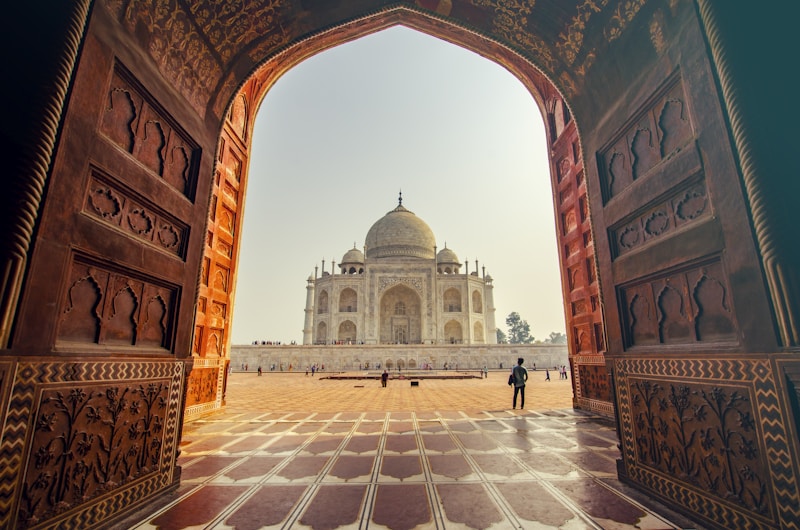
Hindu Sacred Texts
Explore Ancient Wisdom#
Sacred
Philosophy
Spirituality
Wisdom
Discover the profound teachings of Hinduism through authentic resources and scholarly interpretations
Visit Hindu Resources
You will be redirected to another site.
Explore Ancient Wisdom
Visit Hindu Resources
The journey into Hinduism reveals not just a religion, but an entire civilization’s worldview that has evolved over thousands of years. Unlike many faiths with a single founder or definitive starting point, Hinduism emerged organically from the spiritual experiences and philosophical inquiries of countless sages, mystics, and seekers across the Indian subcontinent.
This ancient tradition embraces diversity as one of its core principles, allowing for multiple paths to spiritual realization while maintaining a coherent philosophical framework. Understanding Hinduism requires us to look beyond surface-level rituals and explore the profound metaphysical questions it addresses about existence, consciousness, and the nature of reality itself.
The Sacred Texts That Shaped a Civilization 📚#
At the heart of Hindu wisdom lie the Vedas, considered the oldest sacred scriptures known to humanity. Composed in Sanskrit between 1500 and 500 BCE, these texts represent the foundational revelations that form the bedrock of Hindu thought. The four Vedas—Rigveda, Yajurveda, Samaveda, and Atharvaveda—contain hymns, rituals, philosophical discussions, and mystical insights that continue to inspire spiritual seekers today.
The Upanishads, often called the “Vedanta” or culmination of Vedic wisdom, dive deeper into metaphysical questions. These philosophical dialogues between teachers and students explore the nature of Brahman (ultimate reality), Atman (the self), and the relationship between the two. The famous declaration “Tat Tvam Asi” (You are That) encapsulates the non-dualistic insight that individual consciousness is ultimately identical with cosmic consciousness.
The Bhagavad Gita stands as perhaps the most beloved and accessible Hindu scripture. Set on a battlefield, this dialogue between Prince Arjuna and Lord Krishna addresses fundamental questions about duty, action, devotion, and the path to liberation. Its teachings on karma yoga (the path of selfless action), bhakti yoga (devotion), and jnana yoga (knowledge) provide practical guidance for living a spiritual life in the material world.
Core Concepts That Define Hindu Thought 🕉️#
Hinduism rests upon several foundational concepts that distinguish it from other religious traditions. Dharma represents the cosmic law and moral order that governs existence, as well as one’s individual duty and righteous conduct. This concept is deeply contextual, varying according to one’s stage of life, social position, and personal circumstances.
Karma, often misunderstood as fatalism, actually represents a sophisticated understanding of cause and effect in the moral and spiritual realms. Every action creates impressions (samskaras) that shape our character and future experiences. This principle emphasizes personal responsibility while explaining apparent inequalities as results of past actions across multiple lifetimes.
The concept of reincarnation or samsara describes the cycle of birth, death, and rebirth that souls undergo until achieving liberation (moksha). Unlike linear views of time and existence, Hinduism presents a cyclical cosmology where souls evolve through countless experiences across different forms of life.
Moksha represents the ultimate spiritual goal—liberation from the cycle of rebirth and the realization of one’s true nature as identical with Brahman. Different schools of Hindu philosophy describe this state variously as absorption into the absolute, eternal existence in a divine realm, or the realization of one’s eternal spiritual identity.
The Divine Manifests in Countless Forms 🙏#
One of Hinduism’s most distinctive features is its approach to divinity. While maintaining that ultimate reality is one (Brahman), Hinduism recognizes that the divine manifests in countless forms to accommodate different temperaments, cultures, and levels of spiritual development. This gives rise to the vast pantheon of Hindu deities, each representing different aspects of the one supreme reality.
The Trimurti—Brahma (the creator), Vishnu (the preserver), and Shiva (the destroyer/transformer)—represents the three fundamental cosmic functions. Vishnu’s avatars, particularly Rama and Krishna, demonstrate how divinity descends into the world to restore dharma when it declines. The Divine Mother appears in forms like Durga, Lakshmi, and Saraswati, representing power, prosperity, and wisdom respectively.
This polytheistic appearance masks a sophisticated theological framework. Most Hindus are actually henotheistic, worshipping one supreme deity while acknowledging others. Some traditions are purely monotheistic, while Advaita Vedanta philosophy is essentially non-dualistic, seeing all forms as expressions of the one formless reality.
Paths to the Divine: The Yoga Traditions ✨#
Hinduism recognizes that different individuals require different spiritual approaches based on their temperament and inclinations. The various yoga paths provide systematic methods for spiritual development and ultimate liberation.
Karma Yoga emphasizes selfless action performed without attachment to results. By dedicating all actions to the divine and working without selfish motivation, practitioners purify their consciousness and develop equanimity. This path is particularly suitable for those engaged in worldly activities who cannot renounce everything for monastic life.
Bhakti Yoga represents the path of devotion and love for the divine. Through practices like chanting (kirtan), worship (puja), and cultivating intense devotional feelings, practitioners develop a personal relationship with their chosen deity. This emotionally engaging path has produced some of Hinduism’s most beautiful poetry, music, and art.
Jnana Yoga is the path of knowledge and discrimination, suited for those of a philosophical bent. Through study, contemplation, and meditation on the nature of reality, practitioners develop the wisdom to distinguish the eternal from the temporary, the real from the unreal. This intellectually rigorous path requires sustained inquiry into fundamental questions of existence.
Raja Yoga, systematized by Patanjali in the Yoga Sutras, presents an eight-limbed approach combining ethical practices, physical postures, breath control, and meditation techniques to achieve mental stillness and spiritual realization. This is the tradition from which modern postural yoga largely derives.
Living the Hindu Life: Practices and Rituals 🪔#
Hindu religious life encompasses a rich variety of practices that connect the sacred with everyday existence. Puja (worship) can range from simple offerings of flowers and incense at a home altar to elaborate temple ceremonies involving priests, fire rituals, and community participation. These practices create sacred space and time, reminding practitioners of the divine presence permeating all existence.
Festivals punctuate the Hindu calendar with joyous celebrations marking seasonal changes, mythological events, and spiritual principles. Diwali, the festival of lights, celebrates the victory of light over darkness and good over evil. Holi brings communities together in colorful celebrations of spring and divine play. Navaratri honors the Divine Mother in her various forms through nine nights of worship and festivities.
Pilgrimage holds special significance in Hindu practice. Sacred sites like Varanasi, Rishikesh, Tirupati, and Rameswaram attract millions seeking blessings, performing rituals for ancestors, or simply experiencing the concentrated spiritual energy of these ancient places. The Kumbh Mela, occurring every twelve years, represents the largest peaceful gathering of humanity, with millions bathing in sacred rivers for spiritual purification.
The Four Stages of Life and Social Structure 👨👩👧👦#
Hindu tradition envisions life as progressing through four ideal stages (ashramas), each with distinct duties and spiritual emphases. Brahmacharya, the student stage, focuses on learning, discipline, and character development. Grihastha, the householder phase, involves family life, career, and contributing to society while maintaining spiritual practices.
Vanaprastha represents gradual retirement from worldly affairs, with increased focus on spiritual pursuits and mentoring younger generations. Finally, Sannyasa involves complete renunciation of worldly attachments to pursue liberation through meditation and spiritual practice. While few follow this progression literally today, it provides a framework for understanding life’s changing priorities and spiritual opportunities.
The varna system originally classified society into four functional groups: Brahmins (priests and teachers), Kshatriyas (warriors and rulers), Vaishyas (merchants and farmers), and Shudras (laborers and service providers). While this system has unfortunately devolved into rigid caste hierarchies marked by discrimination, its original intent was to organize society’s essential functions while acknowledging different aptitudes and roles.
Hindu Philosophy: Schools of Thought 💭#
Hinduism has given rise to sophisticated philosophical systems that rigorously explore fundamental questions about reality, knowledge, and existence. The six orthodox (astika) schools—Nyaya, Vaisheshika, Samkhya, Yoga, Mimamsa, and Vedanta—each offer distinct approaches while accepting Vedic authority.
Advaita Vedanta, articulated brilliantly by Adi Shankaracharya, presents a non-dualistic philosophy asserting that Brahman alone is real, while the phenomenal world is maya (illusion or appearance). The apparent multiplicity we experience results from ignorance (avidya) of our true nature as identical with Brahman. Liberation comes through direct realization of this non-dual truth.
Vishishtadvaita (qualified non-dualism) and Dvaita (dualism) offer alternative interpretations maintaining distinctions between God, souls, and matter even in the liberated state. These philosophical debates demonstrate Hinduism’s intellectual vitality and tolerance for diverse viewpoints within an overarching framework.
Hinduism’s Global Influence and Modern Relevance 🌍#
Hindu concepts have profoundly influenced global spirituality and philosophy. The nineteenth and twentieth centuries saw teachers like Swami Vivekananda, Paramahansa Yogananda, and Maharishi Mahesh Yogi introduce Hindu practices and philosophies to Western audiences. Yoga and meditation, now practiced by millions worldwide, derive from Hindu spiritual traditions.
Contemporary issues find resonance in ancient Hindu wisdom. Environmental consciousness aligns with Hinduism’s reverence for nature and recognition of divinity in all creation. The concept of vasudhaiva kutumbakam (the world is one family) offers a philosophical foundation for global cooperation and unity in diversity.
Modern Hinduism faces challenges including reforming social inequalities, addressing fundamentalism, and adapting ancient wisdom to contemporary contexts. Progressive movements work to reclaim Hinduism’s inclusive essence while challenging caste discrimination, gender inequality, and sectarian tensions.
Meditation and Spiritual Practices for Inner Transformation 🧘#
Hindu meditation techniques offer systematic approaches to calming the mind and experiencing deeper states of consciousness. Mantra meditation uses sacred sounds or phrases repeated internally or aloud to focus awareness and invoke spiritual energies. The famous “Om” represents the primordial sound from which creation emerges.
Visualization practices involve concentrating on deity images, symbolic forms like yantras, or inner light. These techniques engage the imagination while directing attention inward, gradually revealing subtler dimensions of consciousness. Breath awareness practices recognize prana (life force) as the bridge between body and mind, using breath control to influence mental and spiritual states.
Contemplative practices like self-inquiry (atma-vichara) involve questioning the nature of one’s identity, progressively negating all temporary identifications until only pure awareness remains. This direct approach, emphasized by sages like Ramana Maharshi, cuts through conceptual elaborations to experience one’s essential nature.
Sacred Symbols and Their Deeper Meanings 🔱#
Hindu symbolism conveys profound truths through visual and sonic representations. The Om symbol represents the ultimate reality in its unmanifest and manifest aspects, with each curve and component holding specific metaphysical significance. The lotus flower symbolizes spiritual unfoldment, remaining pure while rooted in muddy waters, just as the soul remains untainted while embodied in the material world.
The swastika, an ancient Hindu symbol predating its tragic appropriation, represents auspiciousness, the sun’s movement, and the eternal cycle of creation. The tilak marks on foreheads indicate devotional affiliation while representing the third eye of spiritual insight. The sacred thread worn by initiated males symbolizes commitment to spiritual learning and duty.
Each deity’s iconography carries layers of meaning. Shiva’s matted locks hold the Ganges, representing controlled spiritual power. His third eye symbolizes higher perception, while his dancing form (Nataraja) depicts the cosmic rhythms of creation and dissolution. Ganesha’s elephant head represents discrimination and wisdom, while his broken tusk shows sacrifice for higher purposes.
Hindu Ethics and the Art of Righteous Living 🌟#
Hindu ethics emphasize both universal principles and contextual application. Ahimsa (non-violence) extends beyond physical harm to include thoughts and words, promoting compassion toward all beings. This principle influenced Mahatma Gandhi’s philosophy of non-violent resistance and continues inspiring peace movements globally.
Satya (truthfulness) requires more than factual accuracy—it demands that speech be truthful, beneficial, and non-harmful. When these conflict, Hindu texts suggest that causing harm through truth may sometimes violate deeper ethical principles, requiring wisdom to navigate complex situations.
Other key virtues include asteya (non-stealing), brahmacharya (appropriate use of vital energy), aparigraha (non-possessiveness), shaucha (purity), santosha (contentment), tapas (disciplined effort), svadhyaya (self-study), and ishvara pranidhana (surrender to the divine). These ethical principles provide guidance for developing character and creating conditions conducive to spiritual growth.
The Role of the Guru in Spiritual Unfoldment 👤#
The guru-disciple relationship holds central importance in Hindu spirituality. A genuine guru serves as a living embodiment of the teachings, providing personalized guidance, transmitting spiritual energy, and helping navigate the subtle challenges of inner development. The guru represents not merely a teacher but a transformative presence capable of awakening dormant spiritual potential.
Traditional accounts speak of the guru’s grace (kripa) as essential for spiritual realization, while emphasizing the disciple’s receptivity, dedication, and willingness to transform. This relationship transcends intellectual instruction, involving intuitive transmission of understanding and direct pointing to truth beyond words.
Contemporary seekers must exercise discernment in choosing spiritual teachers, as the guru principle has been both honored and abused. Authentic teachers embody the qualities they teach, demonstrate genuine compassion, and empower students toward independence rather than creating dependency. The inner guru—one’s own higher wisdom—ultimately guides the spiritual journey.
Hinduism’s Vision for Human Flourishing 🌺#
Hindu tradition recognizes four legitimate life goals (purusharthas) that together constitute complete human flourishing. Dharma (righteousness) provides the ethical foundation for all endeavors. Artha (prosperity) acknowledges legitimate material needs and ambitions when pursued ethically. Kama (pleasure) honors aesthetic, sensual, and emotional fulfillment as valuable aspects of human experience.
These three worldly goals find their ultimate context in moksha (liberation)—the transcendent purpose that gives ultimate meaning to human existence. Rather than demanding immediate renunciation, Hinduism recognizes that worldly experience, when approached with awareness and ethical integrity, can itself become a vehicle for spiritual development.
This balanced vision avoids both hedonistic excess and life-denying asceticism, instead proposing integrated living where material, emotional, and spiritual dimensions support rather than contradict each other. Success is measured not merely by wealth or status but by character development, contribution to collective wellbeing, and progress toward self-realization.

Embracing Hindu Wisdom in Contemporary Life 🌈#
The timeless insights of Hinduism offer valuable resources for navigating modern challenges. In an age of materialism and environmental crisis, Hindu reverence for nature and emphasis on inner fulfillment provide alternative value frameworks. Meditation and yoga practices help manage stress and cultivate wellbeing amidst accelerating life rhythms.
Hindu philosophical pluralism models how diverse perspectives can coexist respectfully, particularly relevant in our multicultural world. The recognition that truth has many facets and different approaches suit different individuals encourages tolerance and dialogue rather than dogmatic exclusivism.
As humanity grapples with questions of meaning, identity, and purpose, Hindu teachings on consciousness, the nature of self, and our relationship with ultimate reality offer profound insights. Whether one embraces Hinduism as a religious tradition or simply draws inspiration from its philosophical and practical wisdom, this ancient stream of knowledge continues flowing with relevance and vitality into our contemporary moment.
The exploration of Hinduism reveals not a monolithic system but a living tradition continuously evolving while maintaining continuity with ancient wisdom. Its ability to honor diversity while recognizing underlying unity, to engage the intellect while valuing devotional feeling, and to address both worldly and transcendent dimensions of existence demonstrates remarkable sophistication and enduring relevance for seekers of truth in any era.
Keep reading
You might also like

Meet Christian Single Women Nearby with This App Guide
Finding Faith-Based Connections in the Digital Age The landscape of Christian dating has transformed dramatically over the past decade. What once relied…

Best Guitar Learning App: Beginner to Advanced Lessons Guide
🎸 Discover the Power of Guitar Learning Apps Learning to play guitar has never been more accessible than it is today. Gone…