
Anúncios
Transform Your Home Into a Personal Fitness Studio
Start Training Now
The fitness revolution has arrived at your doorstep, and you don’t even need to open the door. Gone are the days when getting in shape meant expensive gym memberships, crowded workout spaces, or commuting through traffic just to break a sweat. Today’s technology has made it remarkably simple to achieve your fitness goals without ever leaving your living room.
Whether you’re a busy professional juggling work and family, a parent who can’t find childcare during gym hours, or simply someone who prefers the privacy and convenience of home workouts, mobile fitness applications have transformed how we approach exercise. These digital personal trainers fit right in your pocket, ready to guide you through effective workouts whenever your schedule allows. 💪
Anúncios
Why Home Workouts Are Taking Over the Fitness World
The shift toward home-based fitness isn’t just a temporary trend—it’s a fundamental change in how people view exercise. Traditional gyms served their purpose, but they came with limitations that many people found increasingly difficult to overcome. The modern home workout app addresses these challenges head-on.
Time efficiency stands as the most compelling reason people are embracing home fitness. When you eliminate commute time, waiting for equipment, and working around facility hours, a 30-minute workout actually takes 30 minutes. This means you can squeeze in exercise during your lunch break, before the kids wake up, or right after work without disrupting your entire schedule.
Anúncios
Privacy represents another significant advantage. Many people feel self-conscious exercising in front of others, especially when they’re just starting their fitness journey. At home, you can try new movements, push yourself to exhaustion, and even fail at challenging exercises without worrying about judgment from strangers. This psychological comfort often leads to better workouts and faster progress.
The Financial Benefits Nobody Talks About
Let’s talk numbers for a moment. The average gym membership costs between $40 to $60 monthly, with premium facilities charging $100 or more. Over a year, that’s $480 to $1,200—and that’s before factoring in initiation fees, personal training sessions, or special classes. Many home workout apps offer comprehensive programs for a fraction of that cost, with some providing exceptional free versions.
Beyond membership fees, consider the hidden costs: gas money or public transportation to the gym, workout clothes fancy enough for public display, post-workout smoothies or snacks, and the opportunity cost of time spent commuting. Home workouts eliminate nearly all these expenses while delivering comparable or even superior results. 🏠
What Makes a Home Workout App Truly Effective
Not all fitness applications are created equal. The difference between an app you’ll use once and one that becomes an integral part of your routine comes down to several key features that address real user needs.
Personalization tops the list of must-have characteristics. Your fitness level, goals, available time, and physical limitations differ from everyone else’s. The best apps recognize this reality and adapt their recommendations accordingly. They ask about your current fitness level, any injuries or concerns, your specific goals (weight loss, muscle building, general health), and how much time you can realistically commit.
Variety keeps workouts interesting and effective. Your body adapts to repeated movements, which means doing the same routine indefinitely will eventually produce diminishing returns. Quality apps offer diverse workout styles—strength training, cardio, flexibility, HIIT, yoga, pilates, dance, and more. This variety prevents boredom and ensures balanced fitness development.
The Technology That Powers Your Progress
Modern fitness apps leverage sophisticated technology to enhance your experience. Video demonstrations with multiple angles ensure you understand proper form, reducing injury risk and maximizing effectiveness. Audio coaching provides real-time motivation and technique reminders without forcing you to constantly watch your screen.
Progress tracking transforms abstract effort into concrete achievement. Seeing your workout history, noting improvements in endurance or strength, and watching calories burned accumulate creates powerful motivation. Many apps include visual progress indicators, milestone celebrations, and achievement badges that tap into our natural desire for accomplishment and growth. 📊
Equipment-Free Training: Bodyweight Exercises That Deliver Results
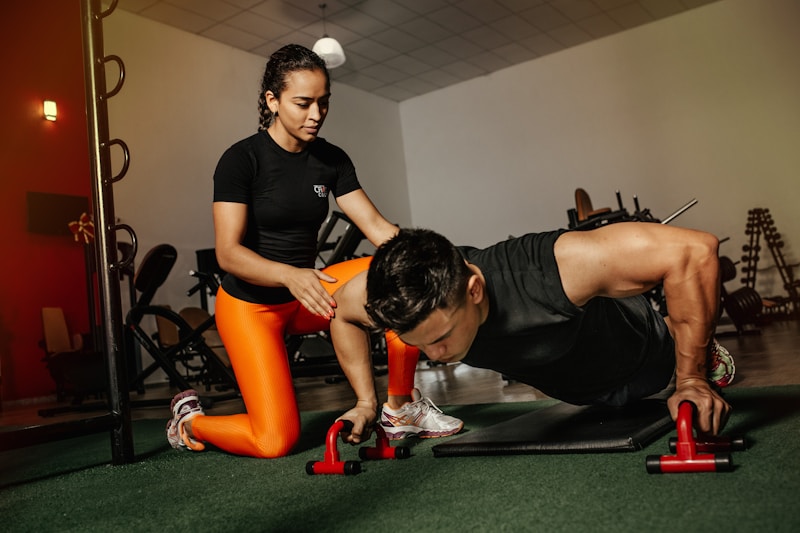
One of the biggest misconceptions about home fitness is that you need expensive equipment to see results. While dumbbells, resistance bands, and other tools certainly have their place, bodyweight exercises alone can provide incredibly effective workouts that build strength, endurance, and flexibility.
Your body itself represents a sophisticated piece of exercise equipment weighing anywhere from 100 to 300+ pounds. Push-ups, squats, lunges, planks, mountain climbers, burpees, and countless variations can challenge every muscle group. The best home workout apps excel at designing progressive bodyweight routines that continue challenging you as you improve.
Calisthenics—structured bodyweight training—has produced some of the most impressively fit physiques in the world. Street workout athletes demonstrate that equipment isn’t a prerequisite for incredible strength and muscle development. The key lies in proper progression, consistent effort, and understanding how to leverage angles, leverage, and time under tension to continuously challenge your muscles.
Making the Most of Your Living Space
You don’t need a dedicated home gym or even much floor space to get an effective workout. Most exercises require only enough room to lie down with arms and legs extended—typically about 6 feet by 4 feet. This means even apartment dwellers with limited space can establish a functional workout area.
Many apps specifically design workouts for small spaces, avoiding exercises that require long running starts or wide lateral movements. They focus on vertical movements, stationary cardio alternatives, and controlled strength exercises that keep you within a compact footprint. Some even offer “quiet workouts” designed for people in upstairs apartments who need to minimize noise for neighbors below. 🤫
Creating a Sustainable Home Fitness Routine
Downloading an app represents the easy part. Building a consistent workout habit that sticks for months and years requires strategy and psychological insight. Understanding what derails most people helps you avoid common pitfalls.
Start smaller than you think necessary. Ambitious beginners often commit to daily hour-long workouts, burn out within two weeks, and quit entirely. A more sustainable approach begins with 15-20 minute sessions three times weekly. This feels manageable, doesn’t overwhelm your schedule, and allows your body to adapt gradually. Once this becomes automatic, you can increase duration or frequency.
Schedule workouts like appointments. “I’ll exercise when I find time” rarely works because urgent tasks always seem to appear. Instead, designate specific days and times for your workouts, treating them with the same respect you’d give a doctor’s appointment or important meeting. Many apps offer reminder notifications that help reinforce this habit.
The Power of Micro-Commitments
On days when motivation runs low, employ the “just five minutes” strategy. Tell yourself you only need to start the workout and continue for five minutes. If you genuinely want to stop after five minutes, you can. However, most people find that starting breaks the resistance, and they complete the full session. This psychological trick removes the mental barrier that prevents many workout sessions from ever beginning. 🧠
Environmental design supports consistency. Keep workout clothes easily accessible—some people sleep in their workout attire to eliminate morning barriers. Designate a specific workout spot in your home, even if it’s just a particular corner of your bedroom. This creates a psychological association between that space and exercise, making it easier to shift into workout mode.
Nutrition Integration: Where Fitness Apps Provide Extra Value
Exercise represents only one component of fitness. What you eat profoundly impacts your results, which is why comprehensive fitness apps increasingly include nutrition guidance, meal planning, and dietary tracking features.
These integrated approaches recognize that you can’t out-exercise a poor diet. If your goal includes weight loss, creating a caloric deficit through both exercise and mindful eating produces far better results than exercise alone. Apps that calculate your total daily energy expenditure (TDEE) and suggest appropriate calorie targets based on your goals take the guesswork out of nutrition.
Meal suggestions adapted to your preferences, dietary restrictions, and cooking skills make healthy eating practical rather than theoretical. Some apps offer quick recipes requiring minimal ingredients and preparation time—perfect for busy people who might otherwise resort to convenient but unhealthy options. Shopping lists generated from meal plans further reduce friction, making it easier to stick with nutritious eating patterns. 🥗
Hydration Tracking and Recovery Guidance
Beyond food, proper hydration dramatically affects exercise performance and recovery. Dehydration reduces strength, endurance, and mental focus while increasing injury risk. Apps with hydration reminders help you maintain adequate fluid intake throughout the day, adjusted for your body weight, activity level, and climate.
Recovery receives insufficient attention from many fitness enthusiasts, yet it’s during rest periods that your body actually becomes stronger. Quality apps incorporate rest days into programming, offer guided stretching and mobility routines, and sometimes include meditation or sleep improvement features. This holistic approach recognizes that fitness encompasses more than just intense exercise sessions.
Staying Motivated When Working Out Alone
Solo home workouts lack the social energy of group fitness classes and the ambient motivation of seeing others exercise around you. Successful home fitness apps address this challenge through various engagement strategies.
Virtual communities connect you with others pursuing similar goals. Many apps include forums, challenge groups, or social features where members share progress photos, celebrate milestones, and offer encouragement. Knowing that thousands of others are following the same program creates a sense of shared experience that combats isolation.
Workout streaks tap into our desire for consistency and our reluctance to break chains of achievement. When you’ve exercised seven days in a row, you’re more likely to complete day eight rather than start over from zero. Apps that track and celebrate streaks leverage this psychological principle effectively. 🔥
Gamification Elements That Actually Work
Points, levels, achievements, and challenges might seem gimmicky, but they work by providing immediate positive feedback for healthy behaviors. Earning a badge for completing your first week or leveling up after a certain number of workouts creates small dopamine hits that reinforce the habit loop.
Progressive programs that unlock new workouts, techniques, or content as you advance give you something to work toward beyond abstract fitness goals. This creates a sense of forward momentum and accomplishment that keeps you engaged even on days when you don’t feel particularly motivated.
Adapting Workouts for Different Fitness Levels and Limitations
One-size-fits-all exercise programs don’t work because people start from vastly different baseline fitness levels and face unique physical considerations. The most inclusive apps offer modifications for every exercise, ensuring that complete beginners and those with injuries or limitations can participate safely.
Regression and progression options allow you to adjust difficulty in real-time. Can’t do a standard push-up yet? The app demonstrates knee push-ups or wall push-ups. Finding standard squats too easy? It shows you how to progress to jump squats or pistol squats. This adaptability means the same app serves you from complete beginner through advanced athlete.
Special populations—seniors, pregnant women, people with chronic conditions—require specific exercise considerations. Apps designed with medical and fitness professional input offer safe, effective programming for these groups, expanding access to structured fitness guidance that might otherwise require expensive specialized training. 👴👶
Measuring Success Beyond the Scale
Weight represents just one metric of fitness progress, and often not the most meaningful one. Muscle weighs more than fat, meaning you might maintain the same weight while dramatically improving body composition. Apps that emphasize diverse progress indicators help you appreciate improvements you might otherwise miss.
Performance benchmarks show functional improvements that matter in daily life. Can you now do ten push-ups when you could barely manage three last month? Has your plank duration increased from 30 seconds to two minutes? These strength and endurance gains represent real fitness improvements regardless of what your scale says.
Energy levels, sleep quality, mood, and stress management often improve dramatically with regular exercise. While harder to quantify, many apps include wellness tracking that lets you note these subjective improvements. Recognizing that you feel more energetic, sleep better, and handle stress more effectively provides powerful motivation that transcends aesthetic goals. ✨
Progress Photos Tell Stories Numbers Can’t
Visual documentation captures changes that gradual daily observation might miss. When you see yourself every day, subtle improvements become invisible. Comparing photos from week one to week twelve often reveals dramatic transformations you didn’t consciously notice. Many apps include photo storage and comparison features that make this process simple and private.
Body measurements—waist, hips, chest, arms, thighs—sometimes change significantly even when weight remains stable. Taking and tracking these measurements monthly provides additional data points that paint a fuller picture of your transformation journey.
Making the Investment in Your Health
Choosing to prioritize fitness represents an investment in your future self. Regular exercise reduces risk for numerous chronic diseases, improves mental health, enhances cognitive function, and generally improves quality of life across virtually every dimension. Home workout apps make this investment remarkably accessible.
The convenience factor cannot be overstated. When exercise fits seamlessly into your life rather than requiring elaborate planning and time commitment, you’re exponentially more likely to maintain it long-term. Consistency over months and years produces transformative results that sporadic intense efforts never achieve.
Financial accessibility means fitness guidance that once required expensive personal trainers is now available to anyone with a smartphone. This democratization of fitness knowledge helps level the playing field, making health optimization available regardless of economic circumstances. 💰
Your First Week: Setting Yourself Up for Success
That first week determines whether fitness becomes a lasting habit or another abandoned resolution. Approach it strategically to maximize your chances of long-term success.
Complete the app’s assessment honestly. Overestimating your fitness level leads to workouts that feel impossible, triggering discouragement. Underestimating means workouts feel too easy, failing to challenge you appropriately. Accurate self-assessment ensures the app suggests suitable programming from day one.
Choose a realistic schedule before starting. Look at your actual week—not an idealized version—and identify specific windows when you can genuinely commit to exercise. Three 20-minute sessions strategically placed work far better than seven aspirational hour-long workouts that never happen.
Prepare your space and gather any desired equipment before your first workout. Having everything ready eliminates excuses and friction when it’s time to exercise. Even if you’re doing bodyweight-only workouts, having a designated spot, a yoga mat, a water bottle, and a towel creates a proper exercise environment. 🧘
Tracking Your Journey From Day One
Document your starting point through photos, measurements, and fitness baselines. This isn’t about judgment—it’s about creating comparison points that will eventually demonstrate how far you’ve come. Include how you feel physically and emotionally, your energy levels, and what you hope to achieve.
After each workout, note how you felt, what challenged you, and any achievements you’re proud of. This brief journaling creates accountability and provides motivational fuel during tougher weeks when you need reminders of why you started and what you’ve already accomplished.

The Long Game: Building Fitness That Lasts
Sustainable fitness isn’t about dramatic 30-day transformations or extreme measures you can’t maintain. It’s about building physical capabilities and healthy habits that serve you for decades. Apps that emphasize gradual progression and sustainable practices over quick fixes align with this reality.
Your relationship with exercise should evolve from obligation to enjoyment. Initially, workouts might feel like something you have to do. Over time, as you experience the mood boost, increased energy, and growing strength, they become something you want to do. The right app facilitates this transition by keeping workouts varied, appropriately challenging, and rewarding.
Remember that perfection isn’t the goal—consistency is. Missing a workout doesn’t mean failure; it means you’re human. What matters is getting back on track with your next scheduled session rather than letting one miss become a week, then a month, then abandonment. Apps with flexible scheduling and no-guilt approaches support this realistic mindset. 🎯
Your home can absolutely become the fitness studio you need to achieve your health goals. With the right app guiding your workouts, providing structure and motivation, and adapting to your unique needs, there’s no reason to let location, time, or budget prevent you from becoming the strongest, healthiest version of yourself. The journey starts with a single decision to begin—everything else follows from that commitment.
