

Anúncios
Identify Any Plant Instantly with Your Smartphone

Download PlantNet Now
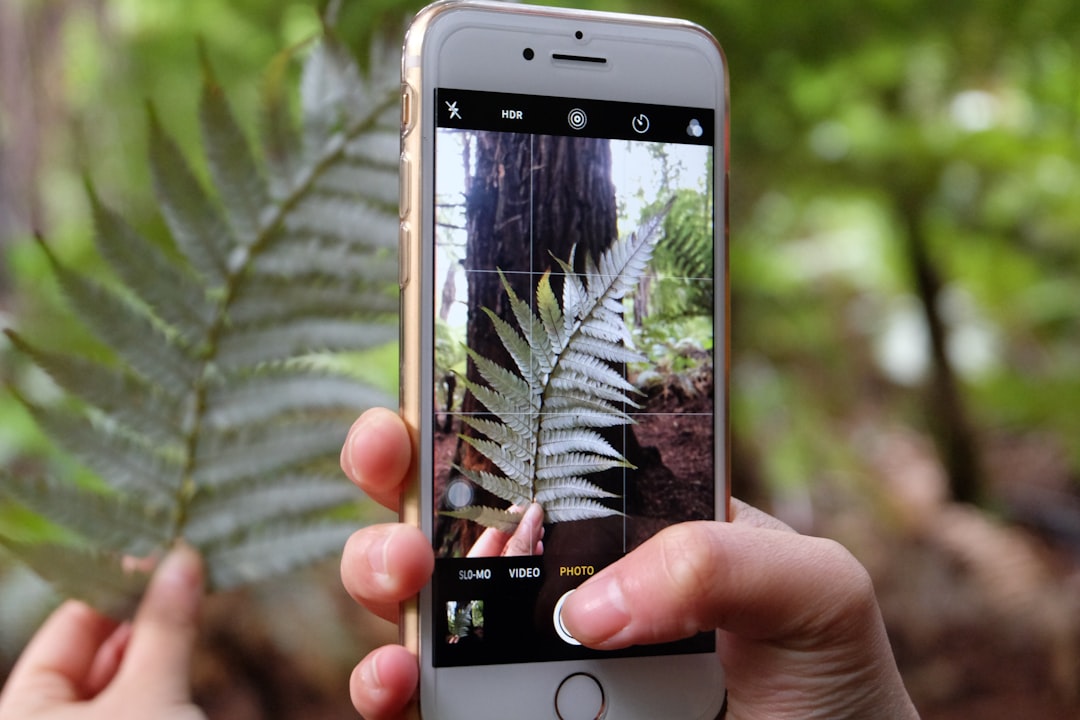
Have you ever walked through a garden, hiked a forest trail, or spotted a beautiful flower in your neighborhood and wondered, “What plant is this?” We’ve all been there. The good news is that technology has made it incredibly easy to satisfy your botanical curiosity. With plant identification apps on your smartphone, you can discover the name of virtually any plant within seconds.
Whether you’re a gardening enthusiast, a nature lover, a student studying botany, or simply someone who appreciates the beauty of the natural world, plant identification apps have become indispensable tools. These sophisticated applications use artificial intelligence and machine learning to analyze photos of plants and match them against massive botanical databases. Let’s explore everything you need to know about these fascinating apps! 🌿
Anúncios
How Plant Identification Apps Actually Work
Plant identification apps might seem like magic, but they’re powered by sophisticated technology that combines several advanced systems. When you snap a photo of a plant, the app immediately begins analyzing various visual characteristics that botanists have traditionally used for identification.
The core technology relies on artificial intelligence and computer vision algorithms trained on millions of plant images. These systems examine leaf shape, flower structure, color patterns, bark texture, and countless other botanical features. The app then compares these characteristics against extensive databases containing information about hundreds of thousands of plant species from around the world.
Anúncios
What makes modern plant identification apps so accurate is their machine learning capability. Every time users submit photos and confirm identifications, the system learns and improves. This crowdsourced approach means the apps become smarter and more reliable with each passing day. Many leading apps now boast accuracy rates exceeding 95% for common plant species.
The Role of Community Verification
Some of the most reliable plant identification apps incorporate community verification systems. After the AI provides its suggestion, botanists, horticulturists, and experienced plant enthusiasts from around the world can review your submission and confirm or correct the identification. This human touch adds an extra layer of accuracy that pure AI systems can’t match.
Top Features to Look for in Plant Identification Apps 📱
Not all plant identification apps are created equal. When choosing the right one for your needs, consider these essential features that separate the best from the rest:
- Instant Recognition: The best apps provide identification results within seconds of uploading a photo
- Comprehensive Database: Look for apps with databases containing at least 10,000 species, though some premium options include over 600,000
- Offline Functionality: Essential for hiking or traveling to areas with limited internet connectivity
- Plant Care Information: Beyond just identification, quality apps provide watering schedules, sunlight requirements, and care tips
- Disease Diagnosis: Advanced apps can identify plant diseases and pest problems, offering treatment recommendations
- Search History: Track all the plants you’ve identified with a personal digital garden journal
- Multiple Image Analysis: The ability to submit photos of leaves, flowers, fruits, and bark for more accurate identification
- Social Features: Share discoveries with friends or connect with a community of plant lovers
The Best Plant Identification Apps Available Today
The market offers numerous plant identification apps, each with unique strengths. Here’s an overview of the most popular and effective options currently available:
PlantNet: The Community-Powered Pioneer 🌱
PlantNet stands out as one of the most respected plant identification platforms in the botanical community. This non-profit project was developed by research organizations including CIRAD, INRA, and INRIA in collaboration with the Tela Botanica network.
What makes PlantNet special is its citizen science approach. Every identification contributes to scientific research and helps improve botanical knowledge worldwide. The app is completely free, with no hidden fees or premium upgrades, making it accessible to everyone interested in plant identification.
The database focuses primarily on wild plants and includes over 20,000 species. While it may not identify every ornamental garden plant, it excels at recognizing native and naturalized species in their habitats. The app works globally, with particularly strong coverage in Europe, North America, and parts of Asia and South America.
PictureThis: The User-Friendly Champion
PictureThis has gained massive popularity due to its exceptionally user-friendly interface and impressive accuracy rates. The app claims to identify over 10,000 plant species with 98% accuracy, making it one of the most reliable options available.
Beyond basic identification, PictureThis offers comprehensive plant care guides, disease diagnosis, toxic plant warnings, and personalized care reminders. The app’s clean design and intuitive navigation make it perfect for beginners who might feel overwhelmed by more technical botanical apps.
Seek by iNaturalist: The Educational Explorer
Developed by the California Academy of Sciences and National Geographic, Seek transforms plant identification into an engaging learning experience. The app encourages outdoor exploration with fun challenges and badges for discovering different species.
Seek is particularly wonderful for families with children, as it gamifies the nature discovery process while providing accurate identifications. The app can identify plants, animals, fungi, and more, making it a comprehensive nature exploration tool.
Practical Tips for Getting Accurate Plant Identifications 📸
Even the best plant identification apps need good input to provide accurate results. Follow these photography tips to maximize your identification success rate:
Capture Multiple Angles: Take photos of different plant parts including leaves, flowers, fruits, bark, and overall plant structure. The more information you provide, the more accurate the identification will be.
Focus on Clarity: Ensure your photos are sharp and well-lit. Blurry or dark images significantly reduce identification accuracy. Natural daylight works best for capturing accurate colors and details.
Include Scale Reference: When possible, include something in the photo that indicates size, such as your hand or a coin. This helps the app understand whether you’re photographing a tiny succulent or a large shrub.
Photograph Distinctive Features: If the plant has unique characteristics like unusual leaf arrangements, distinctive bark patterns, or specific flower structures, make sure these are clearly visible in your photos.
Consider Seasonal Timing: Plants look different throughout the year. Flowering plants are often easier to identify when blooms are present, so mention the season in your submission if the app allows notes.
Beyond Identification: Additional Uses for Plant Apps 🌺
Modern plant identification apps have evolved far beyond simple name recognition. They’ve become comprehensive botanical companions that enhance your relationship with the plant world in multiple ways.
Creating Your Digital Garden Journal
Most plant apps automatically save every identification you make, creating a personal catalog of all the plants you’ve encountered. This feature is invaluable for gardeners who want to track plants they’ve seen and might want to purchase, hikers documenting flora along their favorite trails, or travelers creating botanical memories from their journeys.
You can add notes about where you found each plant, when it was blooming, and any personal observations. Over time, this creates a meaningful record of your botanical discoveries and environmental awareness journey.
Plant Care and Maintenance Guidance
Once you’ve identified a plant, many apps provide detailed care instructions tailored to that specific species. You’ll learn optimal watering frequencies, ideal light conditions, preferred temperature ranges, fertilization schedules, and pruning requirements.
Some advanced apps even send push notifications reminding you when it’s time to water, fertilize, or perform other maintenance tasks. This feature has helped countless people transform from “plant killers” into successful indoor gardeners.
Disease and Pest Problem Solving
When your plants show signs of distress, identification apps can diagnose the problem. Upload photos of yellowing leaves, spots, wilting, or visible pests, and the app’s AI system will analyze the symptoms and suggest likely causes.
You’ll receive treatment recommendations ranging from simple care adjustments to specific organic or chemical interventions. This diagnostic capability can save struggling plants and prevent minor issues from becoming catastrophic failures.
The Science Behind the Technology 🔬
Understanding how plant identification apps work on a technical level reveals just how impressive this technology truly is. The process involves several sophisticated steps that occur almost instantaneously.
When you submit a photo, the app’s image recognition system first isolates the plant from the background. It then extracts key visual features using convolutional neural networks trained specifically on botanical characteristics. These networks have learned to recognize patterns that distinguish different plant families, genera, and species.
The extracted features are compared against embeddings of plants in the reference database. This comparison uses similarity algorithms that calculate how closely your plant matches known species. The system considers multiple potential matches and ranks them by confidence level.
Machine learning models continuously improve through both supervised learning (when experts confirm identifications) and unsupervised learning (discovering new patterns in the data). This means the apps literally become smarter every day, expanding their knowledge and refining their accuracy.
Privacy and Data Considerations 🔒
When using plant identification apps, it’s worth considering how your data is used. Most apps collect the photos you submit along with location information if you’ve granted permission. This data typically serves three purposes: improving the app’s AI, contributing to botanical research, and providing personalized features.
Reputable apps like PlantNet explicitly state that contributed data supports scientific research and biodiversity conservation efforts. Your plant observations can actually help scientists track species distribution, monitor ecosystem changes, and identify invasive species patterns.
If privacy is a concern, review each app’s privacy policy before use. Some apps offer options to disable location tracking or keep your identifications private rather than sharing them with the community.
Special Applications for Different User Groups 👥
For Gardeners and Landscapers
Professional and hobby gardeners use plant identification apps to discover new species for their gardens, identify volunteer plants that appear spontaneously, and learn about native alternatives to common ornamentals. The apps help create planting plans based on identified species that thrive in specific conditions.
For Hikers and Nature Enthusiasts
Trail explorers use these apps to enrich their outdoor experiences by learning about the ecosystems they traverse. Identifying plants along hiking trails deepens environmental appreciation and helps users recognize edible plants, medicinal species, or potentially dangerous toxic varieties.
For Educators and Students
Plant identification apps have become valuable educational tools in biology and environmental science classes. They make botanical learning interactive and engaging, encouraging students to explore their local environments while building scientific observation skills.
For Foragers and Wildcrafters
While plant identification apps provide excellent starting points for foragers, it’s crucial to note that they should never be the sole basis for deciding whether to consume a wild plant. Always cross-reference with multiple field guides and expert sources before eating any foraged plant. The stakes are simply too high to rely on technology alone when it comes to potentially toxic species.
Common Challenges and Limitations ⚠️
Despite their impressive capabilities, plant identification apps aren’t perfect. Understanding their limitations helps set realistic expectations and encourages proper use.
Young plants without distinctive mature characteristics can be difficult to identify accurately. Seedlings and juvenile plants often lack the flowers, fruits, or fully developed leaves that apps rely on for identification. Similarly, plants photographed out of season when they’re dormant or without characteristic features may stump even the best apps.
Hybrid plants and cultivated varieties present challenges because they may not exist in wild plant databases. That unusual colored rose in your neighbor’s garden might not match standard rose descriptions if it’s a recent horticultural development.
Regional database coverage varies significantly. Apps may have excellent data for North American or European plants but limited information about species from less-documented regions. Always check whether an app has strong coverage for your specific geographic area.
The Future of Plant Identification Technology 🚀
Plant identification technology continues to evolve rapidly, with exciting developments on the horizon. Emerging technologies promise to make these apps even more powerful and useful.
Augmented reality features are beginning to appear, allowing users to point their cameras at plants and see identification information overlaid in real-time without taking photos. This creates seamless, interactive experiences as you walk through gardens or natural areas.
Integration with other environmental monitoring systems could enable apps to track biodiversity changes, phenology shifts due to climate change, and invasive species spread. Your casual plant identifications could contribute to significant ecological research.
Improved offline capabilities will make apps increasingly useful in remote areas. As on-device AI processing becomes more powerful, apps will be able to perform complex identifications without internet connectivity, opening up possibilities for use in wilderness areas and developing regions.
Making the Most of Your Plant Identification Journey 🌿
Plant identification apps open doors to deeper connections with the natural world. They transform casual curiosity into botanical knowledge and help us appreciate the incredible diversity of plant life surrounding us every day.
Start by downloading one or two apps and experimenting with plants in your immediate environment. Identify the trees on your street, the wildflowers in nearby parks, or the houseplants your friends keep. As you build confidence and knowledge, you’ll find yourself noticing botanical details you previously overlooked.
Join online communities associated with your favorite apps. These groups connect plant enthusiasts worldwide, offering identification help, care advice, and opportunities to share your botanical discoveries. The social aspect transforms plant identification from a solitary activity into a shared passion.
Remember that these apps are tools for learning, not replacements for developing your own botanical knowledge. Use them as starting points for deeper exploration. When you identify a plant, read about its family characteristics, native habitat, and ecological relationships. This broader understanding enriches your appreciation far beyond simple name recognition.
Consider contributing to citizen science projects through apps like PlantNet or iNaturalist. Your observations, combined with thousands of others, create valuable datasets that scientists use to study biodiversity, track climate change impacts, and prioritize conservation efforts. Every plant you identify and share becomes a small but meaningful contribution to botanical science.
Plant identification apps represent a beautiful convergence of technology and nature, making botanical knowledge accessible to everyone with a smartphone. Whether you’re identifying a mystery plant in your garden, learning about wildflowers on a hiking trail, or simply satisfying your curiosity about the world around you, these apps transform how we interact with the plant kingdom. Download one today and start your botanical discovery journey! 🌱📱
