
Anúncios
Speed traps can turn a peaceful drive into a stressful experience. Radar detector apps help you stay aware, drive smarter, and avoid costly fines effortlessly.

Modern technology has transformed how we navigate roads. Gone are the days when drivers relied solely on intuition or luck to avoid speed cameras. Today, radar detector apps provide real-time alerts, community-driven updates, and intelligent navigation features that make every journey safer and more predictable.
Anúncios
These applications have become essential tools for millions of drivers worldwide. They don’t encourage reckless driving—instead, they promote awareness, helping you maintain legal speeds and understand road conditions better. Whether you’re commuting daily or embarking on a road trip, having a reliable radar detector app can save you money, time, and stress.
🚗 Why Radar Detector Apps Have Become Essential
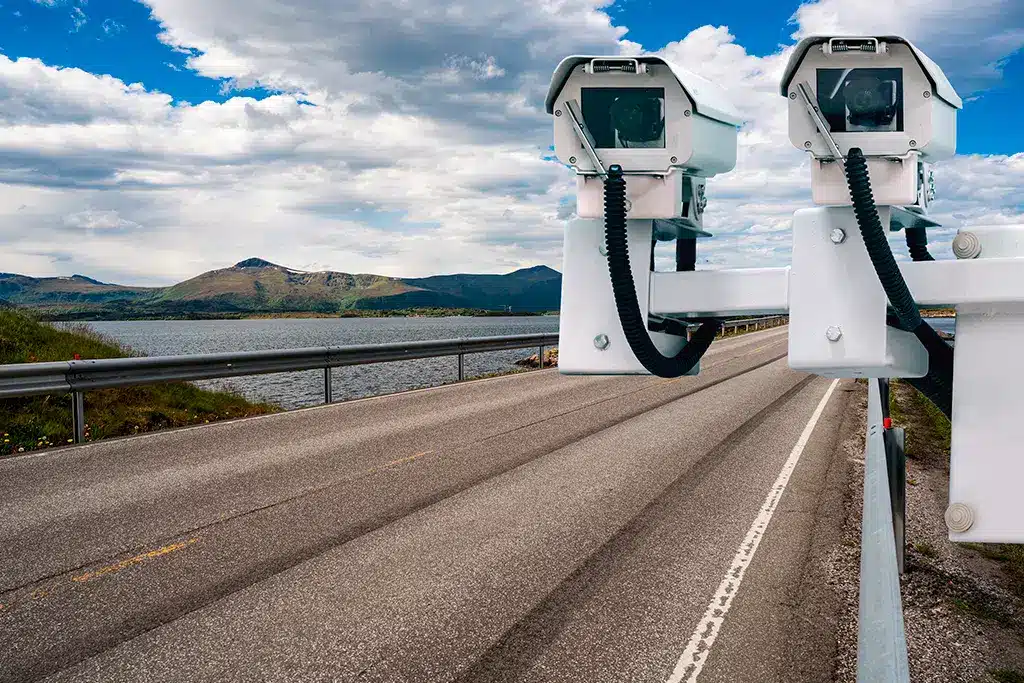
Traffic enforcement has intensified globally. Speed cameras, mobile radar units, and automated systems now monitor roads more comprehensively than ever before. For conscientious drivers, keeping track of every camera location manually is nearly impossible.
Anúncios
Radar detector apps bridge this gap perfectly. They combine GPS technology, crowdsourced data, and sophisticated algorithms to alert you about upcoming speed traps, red-light cameras, and hazardous zones. This proactive approach helps you adjust your speed naturally before reaching enforcement areas.
Beyond avoiding fines, these apps contribute to overall road safety. When drivers receive timely warnings, they tend to drive more attentively and maintain appropriate speeds. This creates a ripple effect, reducing accidents and improving traffic flow for everyone on the road.
📱 How Radar Detector Apps Actually Work
Understanding the technology behind these apps helps you appreciate their reliability. Most radar detector applications operate through a combination of three core mechanisms that work seamlessly together.
GPS-Based Camera Database
The foundation of any quality radar detector app is its extensive database of fixed camera locations. These apps store coordinates of thousands of speed cameras, red-light monitors, and traffic enforcement zones. As you drive, the app continuously compares your position with this database, alerting you when approaching a known location.
Premium apps update their databases regularly, sometimes daily, ensuring new cameras are added promptly. This constant updating process is crucial since traffic authorities frequently install new enforcement equipment or relocate existing units.
Community-Driven Real-Time Reporting
Perhaps the most valuable feature is crowdsourced intelligence. Users can report mobile police units, temporary speed traps, accidents, or road hazards they encounter. These reports appear instantly for other drivers in the area, creating a collaborative safety network.
This community aspect transforms the app from a static database into a dynamic, living system. Mobile radar units, which databases can’t predict, become visible through user reports. The result is comprehensive coverage that adapts to changing enforcement patterns.
Intelligent Alert Systems
Modern radar apps don’t simply beep constantly—they use smart algorithms to deliver relevant warnings. The system considers your current speed, the speed limit, and your distance from the camera. If you’re already driving within legal limits, many apps provide a subtle visual notification rather than an audible alarm.
This intelligent approach prevents alert fatigue, where drivers become desensitized to constant warnings. Instead, you receive meaningful notifications precisely when you need them, maintaining your attention without causing unnecessary distraction.
🌟 Key Features That Make These Apps Invaluable
Not all radar detector apps offer the same capabilities. Understanding which features matter most helps you choose the right application for your needs. Here are the elements that distinguish exceptional apps from basic alternatives.
Offline Functionality
Premium radar apps download camera databases to your device, allowing core functions to work without internet connectivity. This proves invaluable when traveling through areas with poor cellular coverage or when roaming internationally where data costs can skyrocket.
Offline mode typically includes fixed camera alerts and basic navigation. While real-time community reports require connectivity, the essential protection against permanent speed cameras remains fully operational.
Speed Limit Display and Warnings
Many quality apps display the current speed limit for the road you’re traveling. This seemingly simple feature provides tremendous value, especially in unfamiliar areas where speed limit signs might be missed or infrequent.
The app compares your actual speed against the posted limit, giving visual or audio warnings when you exceed it. This helps you maintain legal speeds even when distracted or caught up in traffic flow that exceeds legal limits.
Multiple Alert Types
Comprehensive apps distinguish between various enforcement types—fixed speed cameras, average speed zones, red-light cameras, mobile units, and police checkpoints. Each receives a unique alert style, helping you understand what you’re approaching and respond appropriately.
Average speed cameras, for instance, monitor your pace over several kilometers rather than at a single point. Apps with proper average speed zone detection help you maintain legal speeds throughout these sections, which standard speedometer checks might miss.
Integration With Navigation Systems
The best radar detector apps integrate seamlessly with popular navigation platforms or include built-in GPS navigation. This unified experience eliminates the need to run multiple apps simultaneously, reducing battery drain and simplifying your driving experience.
When radar detection works within your navigation app, alerts appear contextually alongside your route guidance. You see exactly where the camera sits relative to your upcoming turns, making it easier to plan your driving accordingly.
💡 Choosing the Right Radar Detector App
With dozens of options available across app stores, selecting the ideal radar detector requires considering several factors. Your choice should align with your driving habits, geographic location, and budget considerations.
Coverage Area and Database Quality
Different apps excel in different regions. An application with extensive European coverage might have limited data for South America or Asia. Before committing, verify that your chosen app maintains comprehensive, regularly updated databases for the areas where you drive most frequently.
User reviews often reveal coverage quality. Look for feedback from drivers in your country or region, noting comments about database accuracy and update frequency. An app with 100,000 cameras globally means little if only 50 exist in your area.
User Interface and Usability
While driving, simplicity is paramount. The app should display essential information clearly without cluttering your screen. Test the interface before long trips—can you understand alerts instantly without reading detailed text? Are buttons large enough to tap safely at red lights?
Customization options also matter. Quality apps let you adjust alert distances, choose audio preferences, and select which camera types trigger warnings. This personalization ensures the app works with your driving style rather than against it.
Battery Consumption
GPS-based apps inherently consume significant battery power. However, well-optimized applications minimize drain through efficient coding and smart resource management. Check reviews specifically mentioning battery performance, especially if you frequently drive longer distances.
Many apps offer battery-saving modes that reduce screen brightness, limit background processes, or adjust GPS polling frequency. These options help balance protection with power conservation during extended journeys.
🛡️ Legal Considerations Around Radar Detector Apps
Legality varies dramatically across jurisdictions. In some countries, radar detector apps are completely legal and even encouraged as traffic safety tools. Other nations restrict or outright ban their use, imposing hefty fines for violations.
Generally, smartphone applications face fewer restrictions than physical radar detection devices. Many countries distinguish between equipment that detects radar signals (often illegal) and GPS-based systems that simply notify about known camera locations (usually legal).
Before using any radar detector app, research your local regulations. Countries like France, Switzerland, and several others prohibit even GPS-based apps if they display precise enforcement locations. Violating these laws can result in substantial fines, vehicle impoundment, or license suspension.
When traveling internationally, disable or uninstall the app if you’re uncertain about local laws. The convenience never justifies legal complications, especially in foreign countries where language barriers might complicate legal proceedings.
🎯 Maximizing the Benefits of Your Radar App
Simply installing a radar detector app isn’t enough—using it effectively requires understanding best practices and developing good habits. These strategies help you extract maximum value while maintaining safety.
Keep the App Updated
Enable automatic updates for both the application itself and its camera databases. New speed cameras appear regularly, and outdated information renders the app less effective. Most quality applications update databases weekly or even daily, ensuring you have the latest enforcement locations.
App updates also bring bug fixes, performance improvements, and new features. Staying current ensures optimal functionality and access to the latest safety enhancements developers have implemented.
Contribute to the Community
When you spot a mobile radar unit or temporary speed trap, report it through the app. Your contribution helps fellow drivers while improving overall data quality. This community spirit strengthens the entire network, creating better protection for everyone.
However, report responsibly. Only submit information when safely parked or when a passenger can operate the device. Never let app interaction distract you from driving—the safety benefits disappear if the technology itself becomes a hazard.
Use It as a Speed Awareness Tool
Rather than viewing the app as a way to speed and avoid consequences, treat it as a speed management assistant. Let the alerts remind you to check your speedometer and adjust accordingly. Over time, you’ll develop better speed awareness, relying less on warnings and more on conscious driving habits.
This mindset shift transforms the app from a crutch into a training tool. Eventually, you’ll find yourself naturally maintaining appropriate speeds, with the app serving as an occasional backup rather than a constant necessity.
📊 Comparing Top Radar Detector Apps
Several applications dominate the radar detector market, each offering unique strengths. Understanding how they compare helps you make an informed decision based on your specific requirements.
| Feature | Radarbot | Waze | Coyote |
|---|---|---|---|
| Fixed Camera Database | Extensive, regularly updated | Good, community-driven | Comprehensive, professional-grade |
| Real-Time Reports | Strong community | Excellent, largest user base | Quality reports, smaller community |
| Offline Functionality | Available in premium | Limited | Available with subscription |
| Navigation Integration | Built-in GPS navigation | Full navigation app | Integrates with major nav apps |
| Battery Efficiency | Optimized, battery-saver mode | Moderate consumption | Well-optimized |
Each application serves different user preferences. Waze excels if you value social features and navigation integration. Radarbot offers comprehensive radar detection with strong offline capabilities. Coyote provides professional-grade alerts with premium accuracy.
🔋 Optimizing Battery Life While Using Radar Apps
Extended GPS usage drains smartphone batteries rapidly. Implementing power-saving strategies ensures your phone lasts throughout longer journeys while maintaining radar protection.
- Invest in a quality car charger: Keep your phone connected during drives, eliminating battery concerns entirely while ensuring the app runs continuously without power anxiety.
- Reduce screen brightness: Dim displays consume significantly less power. Most radar apps remain audible even with reduced visual prominence, allowing lower brightness settings.
- Close unnecessary background apps: Other applications running simultaneously compete for processor resources and battery power. Before driving, close everything except your radar detector and music apps.
- Enable battery optimization: Most smartphones offer battery optimization settings that limit background activity for specific apps without disabling essential functions. Configure these for non-critical applications.
- Use battery-saver modes: Many radar apps include dedicated low-power modes that reduce GPS polling frequency or simplify visual displays without eliminating core functionality.
🌍 The Future of Radar Detection Technology
As technology evolves, radar detector apps continue advancing with innovative features that enhance driver awareness and safety. Understanding upcoming trends helps you anticipate how these tools will develop.
Artificial Intelligence Integration
AI algorithms are beginning to predict enforcement patterns based on historical data, time of day, and local events. Future apps might warn you about likely speed trap locations even before cameras are physically present, based on statistical analysis of enforcement trends.
Machine learning also improves false report filtering. By analyzing report patterns and user reliability scores, AI systems identify and dismiss bogus warnings, ensuring you only receive legitimate alerts.
Vehicle System Integration
As connected car technology advances, radar detector functionality may integrate directly into vehicle infotainment systems. This native integration would eliminate smartphone dependency while providing seamless, distraction-free alerts through dashboard displays and audio systems.
Some manufacturers already partner with radar detection companies to offer factory-installed warning systems. This trend will likely accelerate, making radar awareness a standard vehicle feature rather than an aftermarket addition.
Enhanced Augmented Reality
Emerging apps experiment with AR technology, overlaying camera locations and speed information directly onto real-world camera views. While still developmental, these systems could eventually display alerts on windshield heads-up displays, providing warnings without requiring drivers to glance at devices.
✅ Making Radar Detector Apps Part of Safe Driving
Technology should enhance safety rather than undermine it. Radar detector apps, when used responsibly, support this goal by promoting speed awareness and encouraging mindful driving habits.
Remember that these applications are tools, not licenses to speed. The goal isn’t evading accountability but rather maintaining appropriate speeds through increased awareness. Used correctly, radar apps reduce the stress of uncertainty while helping you drive more consciously.
Install your chosen app today, configure it properly, and experience how modern technology transforms your driving experience. With comprehensive alerts, community support, and intelligent features, you’ll navigate roads more confidently, knowing that unexpected speed traps will never catch you off guard again.
Safe travels, and may every journey be smooth, aware, and penalty-free! 🚗✨
