Anúncios
Unlocking the Mystery: Why Secret Letters Captivate Us

Open Your Mystery
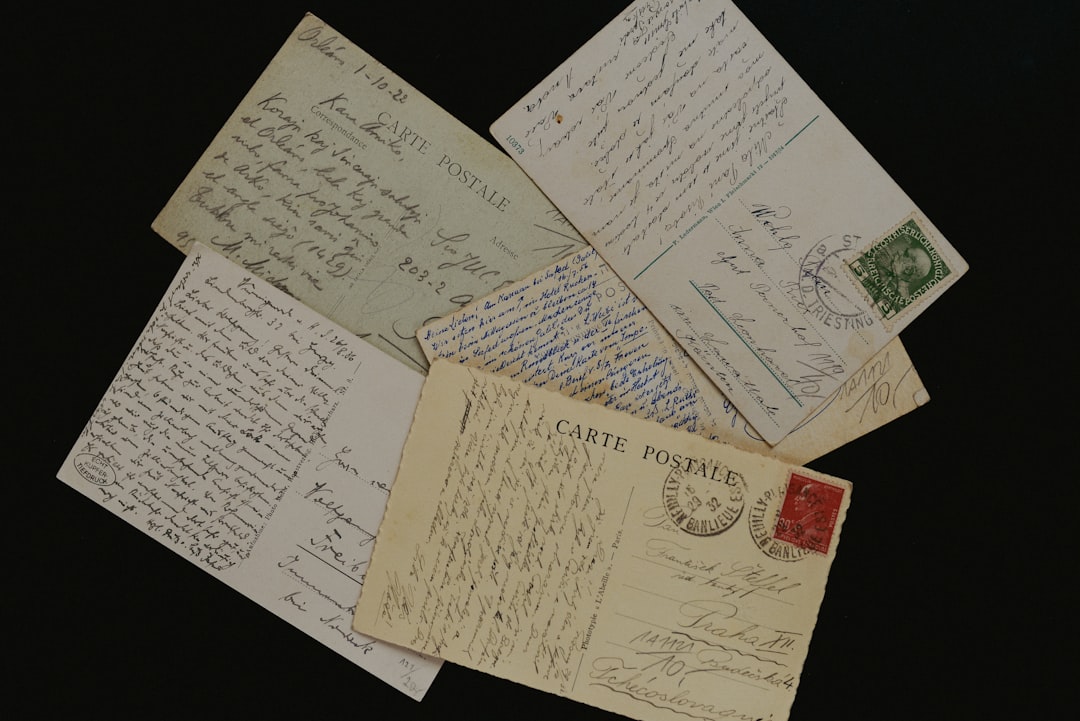
There’s something inherently thrilling about receiving a secret letter. The mystery, the anticipation, the unknown sender—it all combines to create a unique emotional experience that digital notifications and standard emails simply cannot replicate. Whether it’s a handwritten note tucked inside your mailbox or a digital message wrapped in layers of intrigue, secret letters tap into our fundamental human curiosity and desire for connection.
The question “Do you have the courage to open it?” isn’t just dramatic flair. It speaks to a deeper psychological reality: we’re simultaneously drawn to and apprehensive about the unknown. What revelations might await inside? Could it be a long-lost friend, a secret admirer, or perhaps something that changes your perspective entirely? This tension between curiosity and caution is what makes secret letters such a compelling phenomenon in both traditional and modern contexts.
The Psychology Behind Secret Messages 🧠
Human beings are hardwired to respond to mystery. Psychological studies show that our brains release dopamine—the “reward chemical”—when we anticipate discovering something new or solving a puzzle. Secret letters trigger this response magnificently.
When you receive a sealed envelope or an encrypted message, your brain immediately begins working to fill in the gaps. Who sent this? Why? What does it contain? This cognitive engagement is far more powerful than passively receiving information that’s openly presented.
The element of secrecy also activates our sense of exclusivity. A message meant specifically for you, hidden from others, makes you feel special and chosen. This psychological principle explains why secret notes passed in classrooms, mysterious packages, and exclusive invitations create such strong emotional responses.
Why Courage Matters in Opening Unknown Messages
The concept of “courage to open” isn’t melodramatic—it reflects genuine psychological barriers. Opening an unknown message requires you to confront several fears:
- Fear of disappointment: What if the contents don’t live up to the anticipation?
- Fear of change: Secret messages might contain information that alters your reality
- Fear of vulnerability: Someone knows something about you or wants to connect with you privately
- Fear of the unexpected: Human beings naturally prefer predictability and control
Yet overcoming these fears is precisely what makes the experience rewarding. The act of opening represents a willingness to embrace uncertainty, to allow surprise into your carefully controlled life.
Secret Letters Throughout History: A Timeless Tradition 📜
The tradition of secret correspondence dates back thousands of years. Ancient civilizations developed elaborate methods to conceal messages, from invisible inks made from lemon juice to sophisticated cipher systems used by military commanders.
During wartime, coded letters allowed lovers, spies, and resistance fighters to communicate crucial information under the noses of enemies. The famous Caesar cipher, used by Julius Caesar himself, shifted each letter in the alphabet by a fixed number of positions—a simple yet effective encryption method for its time.
Victorian-era society elevated secret letters to an art form. Young people used the “language of flowers” embedded in stationery to convey messages their parents couldn’t decode. A red rose meant passionate love, while yellow indicated friendship or jealousy depending on the arrangement.
Famous Secret Letters That Changed History
History is filled with secret messages that altered the course of events:
- The Zimmermann Telegram (1917): An encrypted message from Germany to Mexico proposing a military alliance against the United States. Its interception brought America into World War I.
- Love Letters of Historical Figures: Napoleon Bonaparte’s passionate letters to Josephine, written in code and pseudonyms, reveal intimate details about one of history’s most powerful men.
- Enigma Machine Communications: Nazi Germany’s “unbreakable” encryption system, ultimately cracked by Alan Turing, changing the outcome of World War II.
Each of these examples shows how secret correspondence carries weight beyond mere words—it represents trust, risk, and the power of private communication in a public world.
Modern Secret Letters: Digital Mystery in the Smartphone Era 📱
While handwritten secret letters still hold romantic appeal, technology has transformed how we experience mysterious messages. Digital platforms now offer new ways to recreate that thrilling sensation of receiving something unexpected and personal.
Modern secret letter apps combine the psychological appeal of traditional mystery correspondence with contemporary convenience. These applications allow users to send and receive messages with various layers of concealment—timed reveals, puzzle unlocks, or geographical triggers that only display content when you’re in a specific location.
The experience differs from standard messaging in crucial ways. Regular texts and emails arrive with full transparency: you see the sender, preview the message, and can choose to ignore it without consequence. Secret letter platforms restore the element of commitment—once you begin opening, you’re invested in discovering what’s inside.
Features That Make Digital Secret Letters Compelling
Modern secret letter applications typically incorporate several engaging elements:
- Anonymous sender options: Recipients receive messages without immediately knowing who sent them
- Delayed revelation: Letters that unlock content gradually over time or after completing certain actions
- Encryption and privacy: Messages that disappear after reading or require passwords to access
- Multimedia integration: Combining text, images, audio, and video for richer experiences
- Interactive elements: Puzzles, questions, or challenges that must be solved to reveal the full message
These features transform passive message receipt into an active, engaging experience that stimulates both emotional and cognitive responses.
What Might Your Secret Letter Contain? 💌
The beauty of secret letters lies in their unpredictability. Unlike promotional emails or routine correspondence, you genuinely don’t know what awaits inside. Here are some possibilities that make opening worthwhile:
Confessions and Revelations
Someone might be using the anonymity of a secret letter to share feelings they couldn’t express face-to-face. This could be:
- A secret admirer revealing their identity and affection
- An old friend confessing why they lost touch and wanting to reconnect
- A family member sharing a long-held secret or family history
- Someone apologizing for past actions they regretted
The privacy of a sealed message creates a safe space for vulnerability that public or traceable communication doesn’t provide.
Surprises and Gifts
Secret letters often contain delightful surprises beyond mere words. They might include:
- Clues to a scavenger hunt or surprise event planned in your honor
- Digital gift cards, discount codes, or access to exclusive content
- Invitations to secret gatherings, flash mobs, or exclusive experiences
- Personal artwork, poetry, or creative works made specifically for you
The secret delivery method amplifies the excitement of these surprises, making them feel more special than standard gift-giving.
Challenges and Adventures
Some secret letters serve as gateways to larger experiences. They might:
- Invite you to participate in an alternate reality game (ARG)
- Challenge you to step outside your comfort zone with specific tasks
- Provide the first clue in an elaborate puzzle or mystery
- Offer opportunities for personal growth through guided reflections
These interactive letters transform you from passive recipient to active participant in an unfolding story.
Building the Courage to Open Your Secret Letter ✨
If you’ve received a secret letter—physical or digital—but hesitate to open it, you’re experiencing a natural human response to uncertainty. Here’s how to work through that hesitation:
Reframe Your Perspective on Unknown Messages
Shift from fear to curiosity. Instead of focusing on potential negatives, consider the statistical probability: most secret letters contain positive, neutral, or interesting content rather than harmful information. People rarely go through the effort of creating mysterious messages to deliver bad news—they use secret letters for special occasions and heartfelt communication.
Remember that uncertainty is temporary. The moment you open the letter, the mystery dissolves. You regain control by taking action rather than remaining in suspended anxiety.
Consider the Sender’s Intention
Someone chose this particular method to reach you. They could have sent a regular message, email, or text, but they deliberately created something more thoughtful and mysterious. This suggests:
- They value your relationship enough to invest extra effort
- They want to create a memorable experience for you
- The content is likely positive or at least significant
- They respect you enough to engage your intelligence and curiosity
Understanding the care behind the delivery method can ease apprehension about the contents.
Embrace the Growth Opportunity
Opening a secret letter, regardless of its contents, represents a small but meaningful act of courage. Each time you choose curiosity over fear, you strengthen your capacity to handle uncertainty in other areas of life.
This seemingly small decision—to open or not to open—mirrors larger life choices: taking risks, trying new experiences, allowing vulnerability, and trusting in possibilities rather than defaulting to caution.
Creating Your Own Secret Letters: Spreading the Magic 🎁
After experiencing the thrill of receiving a secret letter, many people feel inspired to create their own. Here’s how to craft meaningful mystery messages for others:
Traditional Handwritten Secret Letters
Physical letters carry unique charm that digital versions cannot fully replicate:
- Use quality materials: Special paper, wax seals, or unique envelopes signal that the message matters
- Add sensory elements: A spritz of perfume, pressed flowers, or textured paper engages multiple senses
- Incorporate mystery gradually: Use nested envelopes, each containing clues to the next layer
- Personalize the delivery: Leave it somewhere meaningful rather than standard mail delivery
The tactile nature of handling physical letters creates a deeper connection than screen-based reading.
Digital Secret Letter Best Practices
When creating digital mystery messages, consider these elements for maximum impact:
- Timing matters: Schedule delivery for when the recipient can fully appreciate it
- Balance mystery with clarity: Make opening intriguing but not frustratingly difficult
- Personalize the content: Generic messages lose the magic of secret correspondence
- Create anticipation: Use delayed reveals or multi-part messages that unfold over time
- Respect boundaries: Ensure your secret letter is wanted and appropriate for your relationship
The Social Connection Power of Secret Messages 🤝
In an era of constant digital connectivity, we paradoxically feel more disconnected than ever. Secret letters address this modern loneliness by creating genuine person-to-person moments that stand apart from the noise of social media feeds and group chats.
When you receive a message crafted specifically for you, opened in private, and meant for your eyes alone, it creates an intimate connection that public posts cannot achieve. This one-to-one communication reminds us that we matter as individuals, not just as members of an audience.
Research in communication psychology shows that private, personalized messages strengthen relationships more effectively than public interactions. A secret letter demonstrates investment—the sender took time to create something unique rather than broadcasting generic content to everyone.
Secret Letters in Different Relationship Contexts
Mystery messages serve different purposes across various relationships:
| Relationship Type | Purpose of Secret Letter | Common Contents |
|---|---|---|
| Romantic Partners | Maintaining excitement and expressing feelings | Love declarations, surprises, intimate thoughts, future plans |
| Friends | Showing appreciation and creating shared experiences | Inside jokes, memories, challenges, adventure invitations |
| Family Members | Bridging generational gaps and sharing heritage | Family stories, life lessons, ancestral information, encouragement |
| Colleagues | Recognition and team building | Appreciation notes, collaborative challenges, motivational messages |
Each context benefits from the thoughtfulness that secret letters embody, creating memorable moments that strengthen bonds.
Privacy and Safety Considerations 🔒
While secret letters offer exciting possibilities, approaching them with appropriate caution ensures positive experiences. Not every mysterious message deserves to be opened, and understanding red flags protects you from potential issues.
When to Exercise Caution
Consider these warning signs before opening unfamiliar messages:
- Unknown digital sources: Messages from completely unfamiliar platforms or requiring suspicious permissions
- Pressure tactics: Letters that demand immediate action or threaten consequences for not opening
- Requests for sensitive information: Any message asking for passwords, financial details, or private data
- Inappropriate context: Secret letters from sources that have no legitimate reason to contact you privately
Legitimate secret letters from friends, family, or reputable platforms focus on creating positive experiences, not extracting information or creating urgency through fear.
Protecting Your Privacy While Enjoying Mystery
You can enjoy secret letter experiences while maintaining digital safety:
- Use dedicated apps from verified sources rather than clicking random links
- Check reviews and ratings before downloading secret message platforms
- Understand privacy policies regarding how your data is used and stored
- Never share personal credentials through secret letter systems
- Trust your instincts—if something feels wrong, it probably is
Reputable secret letter platforms prioritize user safety and make their security measures transparent.
The Lasting Impact of Taking the Leap 🚀
Ultimately, the question “Do you have the courage to open?” represents more than curiosity about a single message. It’s an invitation to embrace spontaneity, trust in positive possibilities, and allow yourself to be surprised.
People who regularly open themselves to unexpected experiences—whether secret letters or other forms of healthy uncertainty—report higher life satisfaction and stronger relationships. They develop resilience through repeated exposure to the unknown, learning that most mysteries resolve positively.
Your secret letter might contain a heartfelt confession, a delightful surprise, a thoughtful challenge, or simply a reminder that someone thinks you’re special enough to create something unique for you. Any of these outcomes enriches your life in ways that avoiding the envelope never could.
The envelope sits before you—physical or digital, sealed with intention and carrying unknown contents. The anticipation creates a moment suspended between possibilities. You can leave it unopened, letting curiosity gnaw at you indefinitely, or you can exercise the small act of courage required to discover what awaits.
What will you choose? The mystery dissolves the moment you decide. The contents matter less than the decision itself—to embrace uncertainty, to trust in connection, to allow someone to surprise you. That choice, repeated across small moments throughout life, shapes whether you live defensively or openly.
Your secret letter is waiting. The only question that remains is whether you’ll give yourself permission to discover what’s inside. The courage required is smaller than you think, but the potential reward—connection, surprise, delight, or simply satisfying your curiosity—makes the risk infinitely worthwhile.
Take a breath, trust the process, and open your secret letter. Whatever awaits inside was created with you in mind, making it worth discovering. The mystery ends when you choose to begin, transforming unknown possibilities into lived experiences that become part of your unique story.
