
Anúncios
A Letter of Peace is more than just words on paper—it’s a bridge between hearts, a declaration of goodwill, and a powerful tool for healing relationships and fostering understanding across divides.
Understanding the Power of Peace Letters
Explore Peace Building Resources
Throughout history, letters have served as vehicles for profound change. From diplomatic correspondence that ended wars to personal messages that reconciled families, the written word carries unique power to convey sincerity, thoughtfulness, and genuine intent.
Anúncios
In our digital age, where communication happens in seconds but understanding takes much longer, crafting a meaningful letter of peace requires intentionality, vulnerability, and courage. Whether you’re addressing a personal conflict, reaching out across cultural boundaries, or simply extending an olive branch to someone you’ve wronged, a peace letter can open doors that seemed permanently closed.
✍️ What Defines a Letter of Peace?
A letter of peace is fundamentally different from ordinary correspondence. It carries specific intentions and follows principles that distinguish it from casual communication or even formal apologies. This type of letter seeks not just to express regret but to rebuild, restore, and reimagine relationships.
Anúncios
The core elements include acknowledgment of conflict or tension, genuine expression of peaceful intentions, respect for the other person’s perspective, and a forward-looking vision for reconciliation. Unlike argumentative writing that seeks to prove a point, a peace letter prioritizes connection over correctness.
These letters can take many forms—from personal messages between friends or family members to diplomatic communications between nations. Regardless of scale, they share common characteristics: humility, honesty, empathy, and hope.
🌍 Historical Examples That Changed the World
History provides powerful examples of letters that transformed conflicts into opportunities for peace. Mahatma Gandhi’s correspondence with world leaders exemplified how written words could articulate non-violent principles while challenging injustice. His letters combined moral clarity with respect for his recipients, demonstrating that firmness and peace aren’t contradictory.
During the Cold War, private letters exchanged between leaders often proved more effective than public statements. The correspondence between President Kennedy and Premier Khrushchev during the Cuban Missile Crisis helped de-escalate tensions when the world stood at the brink of nuclear war.
Martin Luther King Jr.’s “Letter from Birmingham Jail” stands as perhaps the most famous peace letter in American history. Though written from confinement, it eloquently defended peaceful resistance while addressing critics and calling for justice. The letter’s impact extended far beyond its immediate audience, inspiring generations to pursue change through non-violent means.
💝 Personal Peace Letters: Healing Relationships
On the personal level, peace letters serve as powerful tools for healing broken relationships. When face-to-face conversations feel too charged or impossible, a carefully crafted letter provides space for reflection and thoughtful expression that heated discussions rarely allow.
Writing a personal peace letter begins with honest self-examination. Before putting pen to paper, consider your own role in the conflict, your genuine intentions, and what you hope to achieve. Are you seeking forgiveness, offering it, or both? Clarity about your purpose shapes every word that follows.
The structure matters less than sincerity, but effective personal peace letters typically include acknowledgment of the relationship’s value, recognition of hurt or misunderstanding, acceptance of responsibility where appropriate, expression of genuine care, and openness to dialogue or reconciliation.
Key Components of Personal Peace Correspondence 🔑
Every effective personal peace letter incorporates several essential elements that work together to convey sincerity and facilitate healing. Understanding these components helps you craft messages that truly resonate.
- Authentic opening: Begin with warmth that acknowledges the relationship’s significance without immediately diving into conflict
- Clear acknowledgment: Name the issue or tension directly but without blame or defensiveness
- Genuine empathy: Demonstrate understanding of how the other person might feel or perceive the situation
- Personal accountability: Own your part in the conflict without over-explaining or making excuses
- Forward vision: Express hope for the future without demanding specific outcomes
- Open invitation: Create space for response without pressure or ultimatums
🕊️ Writing Your Own Letter of Peace
Creating a meaningful peace letter requires both heart and skill. The process begins long before you write the first word—it starts with preparation, reflection, and intentional mindfulness about your objectives and the recipient’s potential perspective.
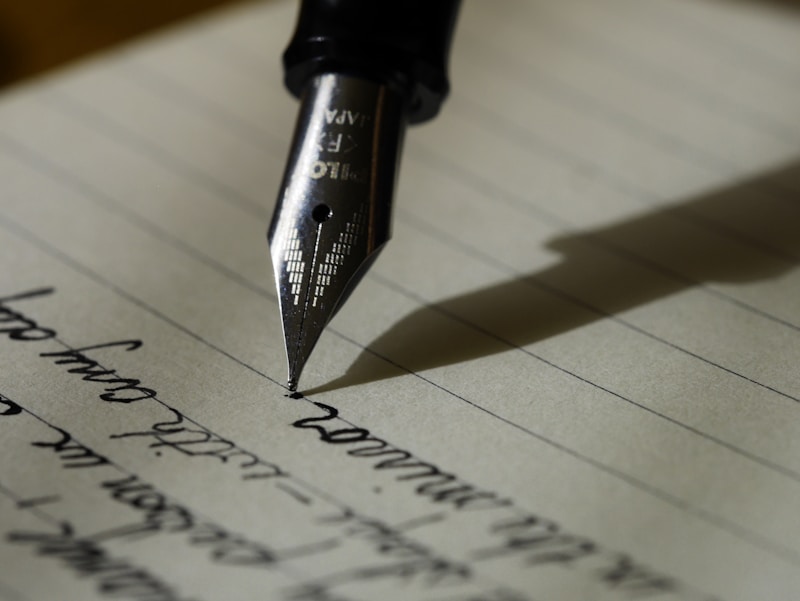
Choose your medium thoughtfully. Handwritten letters carry personal warmth and demonstrate effort, while typed letters may feel more formal and clear. Consider what best suits your relationship and situation. The physical act of handwriting can also slow your thoughts and encourage more careful word choice.
Timing matters significantly. Sending a peace letter too soon after conflict might seem hasty or insincere, while waiting too long could suggest indifference. Allow enough time for initial emotions to settle but don’t let so much time pass that reconnection becomes more difficult.
The Opening: Setting the Right Tone 🎯
Your letter’s opening sets the entire tone for what follows. Avoid starting with accusations, explanations, or defensiveness. Instead, begin by acknowledging the person’s importance to you and your genuine intention in writing.
A strong opening might read: “I’ve been thinking about our relationship and how much it means to me, which is why I wanted to reach out to you in this way.” This immediately establishes positive intention without denying that issues exist.
Alternatively, you might acknowledge the difficulty of the communication itself: “Writing this letter feels challenging because I care deeply about getting it right and about you.” Such vulnerability can disarm defensiveness and invite openness.
The Body: Substance with Sensitivity 💬
The letter’s main section carries the weight of your message. Here you address the conflict, express your perspective, acknowledge the other person’s experience, and take appropriate responsibility. Balance is crucial—neither minimizing real issues nor dwelling excessively on pain.
Use “I” statements rather than “you” accusations. Instead of “You hurt me when you ignored my feelings,” try “I felt hurt when I perceived my feelings weren’t being heard.” This subtle shift removes blame while still expressing genuine emotion.
Acknowledge complexity. Real conflicts rarely have simple explanations or single villains. Phrases like “I realize the situation is complicated” or “I know there are multiple perspectives here” demonstrate maturity and invite dialogue rather than defensiveness.
Share your feelings without demanding that the other person fix them. You’re entitled to your emotions, but making someone responsible for resolving them creates pressure that undermines peace.
The Closing: Hope and Openness 🌅
Conclude your letter by looking forward rather than backward. Express hope for improved understanding, renewed connection, or simply continued dialogue. Avoid ultimatums or demands for specific responses or actions.
An effective closing might read: “Whatever happens next, I wanted you to know these thoughts and feelings. I hope we can find a path forward that honors both of us.” This leaves space for the recipient to respond in their own time and way.
Sign the letter in a way that feels authentic to your relationship and current situation. Sometimes simple signatures work best; other times, a brief closing statement reinforces your peaceful intentions.
📨 After Sending: Managing Expectations
Once you’ve sent your peace letter, the waiting begins—and this period requires its own wisdom. You’ve extended an olive branch, but you cannot control how or whether it will be received.
Manage your expectations carefully. The recipient might respond immediately, take weeks or months, or not respond at all. Each of these outcomes is possible and valid. Your letter represented your values and intentions; their response represents theirs.
Resist the urge to follow up too quickly. Give the person adequate time to process your message, experience their own emotions, and formulate their thoughts. Premature follow-up can feel like pressure and undermine the peaceful intention of your original letter.
If you receive a negative or dismissive response, try to receive it with the same grace you hoped they would extend to you. Not everyone is ready for reconciliation when we are, and that doesn’t diminish the value of your effort.
🌐 Cultural Considerations in Peace Letters
When writing peace letters across cultural boundaries, additional sensitivity becomes essential. Different cultures have varying communication styles, expectations around apology and forgiveness, and norms regarding directness or indirectness.
In some cultures, direct acknowledgment of conflict might be valued as honest and mature. In others, such directness could be perceived as confrontational or disrespectful. Research or consult with someone familiar with the recipient’s cultural background when uncertainty exists.
Language barriers add another layer of complexity. If writing in a language that isn’t your first or the recipient’s primary language, consider having someone review your letter for unintended meanings or awkward phrasing that might undermine your message.
Religious and philosophical frameworks also shape how people understand peace, forgiveness, and reconciliation. Acknowledging these frameworks without appropriating or misrepresenting them demonstrates respect and can strengthen your message.
🎓 Teaching Peace Through Letters
Peace letters offer valuable educational opportunities for young people learning conflict resolution and emotional intelligence. Schools and youth organizations increasingly incorporate peace letter writing into curricula focused on social-emotional learning.
Children and teenagers benefit from structured activities that teach them to express difficult emotions constructively, take responsibility for their actions, and empathize with others’ perspectives. Practicing these skills through letter writing provides a safer, less confrontational format than face-to-face discussions for beginners.
Educators might introduce peace letter exercises after conflicts arise in classrooms, as preventive relationship-building activities, or as responses to literature and historical events. These activities help young people develop communication skills that serve them throughout life.
💻 Digital Peace Letters: Opportunities and Challenges
Email, social media messages, and other digital formats create new possibilities and pitfalls for peace communication. These mediums offer immediacy and convenience but can lack the personal touch and thoughtfulness that traditional letters convey.
Digital peace letters work best when they retain the careful consideration and structure of traditional correspondence. Avoid dashing off quick messages during emotional moments. Instead, draft your message, save it, and return to review it after time has passed.
Consider the platform carefully. A Facebook message might feel too casual for serious reconciliation, while a formal email could seem cold for personal relationships. Sometimes a handwritten letter scanned and sent digitally combines authenticity with convenience.
Remember that digital communications lack nonverbal cues and can be easily misinterpreted. Extra care with word choice and clarity becomes essential when you can’t rely on tone of voice or body language to convey your peaceful intentions.
🔄 When Reconciliation Doesn’t Happen
Not all peace letters lead to reconciliation, and that difficult reality deserves acknowledgment. Sometimes the other person isn’t ready, willing, or able to engage in the healing process. Their reasons might relate to their own pain, life circumstances, or personal boundaries.
When reconciliation doesn’t occur, the letter still holds value. Writing it represented an act of courage, integrity, and personal growth. You took responsibility for your part, expressed your values, and extended goodwill—outcomes worth celebrating regardless of response.
The process of crafting a thoughtful peace letter often brings personal clarity and emotional resolution even when external reconciliation proves impossible. You’ve articulated your thoughts, processed your feelings, and demonstrated the person you aspire to be.
Sometimes peace letters plant seeds that take years to grow. A recipient who can’t respond today might revisit your words months or years later when they’re in a different place emotionally or life circumstances have changed.
🌟 The Ripple Effects of Peace Communication
Individual peace letters create ripples that extend far beyond the immediate relationship. When you model peaceful conflict resolution, you influence how others approach their own disputes and disagreements.
Children who witness adults handling conflict through thoughtful, peaceful communication learn invaluable lessons about emotional regulation, empathy, and integrity. Communities where peace letters and similar practices are normalized develop stronger social cohesion and resilience.
On larger scales, diplomatic peace correspondence has literally prevented wars, saved countless lives, and opened channels for cooperation that transformed international relations. Every peace letter, regardless of scale, contributes to a culture that values dialogue over destruction.

✨ Your Letter, Your Legacy
A letter of peace represents more than conflict resolution—it’s a declaration of your values, a demonstration of your character, and potentially a legacy that outlasts the immediate situation. Letters have been preserved for generations, offering wisdom and inspiration to people far removed from the original conflict.
When you sit down to write your peace letter, remember that you’re participating in an ancient, honorable tradition of humans reaching across divides with words of reconciliation. Your letter joins countless others throughout history in choosing connection over separation, understanding over judgment, and hope over despair.
The world needs more peace letters—more brave individuals willing to set aside pride, acknowledge their humanity, and extend goodwill to others. Whether your letter heals a personal relationship, bridges a cultural divide, or simply clarifies your own thinking, the act of writing it matters deeply.
Your words have power. Your willingness to pursue peace demonstrates strength, not weakness. In crafting your letter of peace, you become part of the solution, contributing to a world that desperately needs more understanding, compassion, and genuine human connection. Let your letter be a testament to the possibility of peace, one word at a time.
