
Anúncios
Friendship letters hold a timeless power to strengthen bonds, express gratitude, and remind people they matter. In our digital age, a handwritten or thoughtfully crafted friendship letter stands out as a meaningful gesture.
Why Friendship Letters Matter More Than Ever
Explore Letter Writing
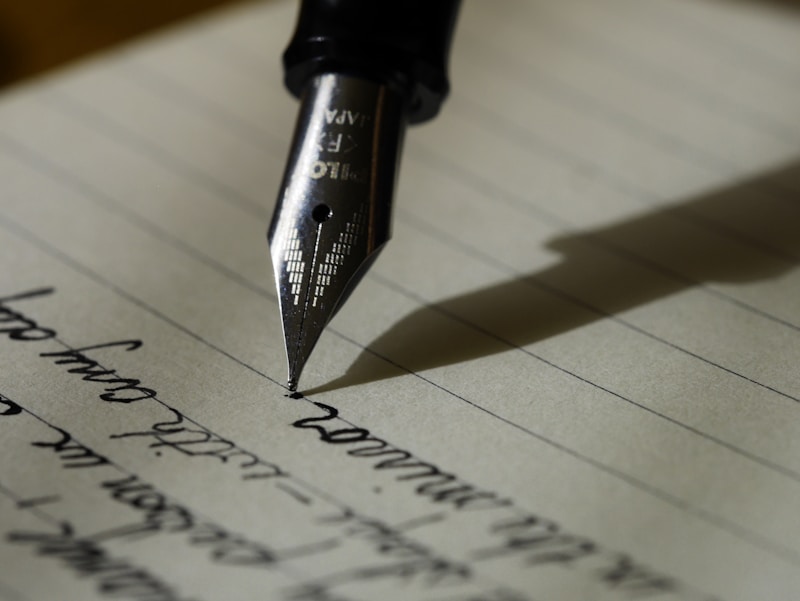
Writing a letter to a friend might seem old-fashioned, but it carries emotional weight that text messages simply cannot replicate. The deliberate act of choosing words, selecting stationery, and taking time to express yourself demonstrates genuine care and thoughtfulness.
Anúncios
Whether you’re reconnecting with an old friend, celebrating a milestone, or simply letting someone know they’re appreciated, a friendship letter can transform ordinary moments into treasured memories. The tangible nature of a physical letter makes it a keepsake that can be revisited for years to come.
The Emotional Impact of Handwritten Friendship Letters ✉️
There’s something profoundly moving about receiving a letter written specifically for you. In a world of instant communication, the effort required to write, address, and mail a letter signals that the sender values the relationship enough to invest time and attention.
Anúncios
Research shows that handwritten correspondence triggers emotional responses differently than digital messages. The personal handwriting, possible imperfections, and physical presence of the letter create a multisensory experience that deepens emotional connection.
Friends who receive unexpected letters often report feeling valued, remembered, and loved in ways that surprise them. The letter becomes a physical reminder that someone cares enough to pause their busy life and dedicate focused attention to the friendship.
The Psychology Behind Written Words
Psychologists note that writing by hand engages different cognitive processes than typing. When you write a friendship letter, you’re more likely to slow down, reflect deeply, and choose words with greater intentionality. This mindful approach results in more authentic and meaningful communication.
The recipient also experiences benefits. Reading a handwritten letter activates empathy centers in the brain, helping them feel more connected to the writer. This neurological response explains why letters often feel more intimate than other communication forms.
When to Write a Friendship Letter 📝
You don’t need a special occasion to write to a friend, though certain moments naturally call for written expression. Understanding when a letter might be most impactful helps you choose the right timing for maximum emotional resonance.
- After a long period without contact: Reconnecting through a letter shows you’ve been thinking about the friendship despite the distance
- During difficult times: When friends face challenges, a supportive letter provides comfort they can return to repeatedly
- Celebrating achievements: Marking milestones with written congratulations makes the moment more memorable
- Expressing gratitude: Thanking friends for their impact on your life creates lasting positive feelings
- Just because: Unexpected letters simply to say “I’m thinking of you” often mean the most
Seasonal and Special Occasions
Birthdays, holidays, and friendship anniversaries provide natural opportunities for letter writing. However, the most cherished letters often arrive without any particular reason—they’re pure expressions of affection and connection.
Consider writing letters during transitional periods: when someone moves away, starts a new job, or experiences life changes. These moments often bring uncertainty, and a thoughtful letter can provide grounding and reassurance.
Essential Elements of a Meaningful Friendship Letter 💌
While there’s no strict formula, certain components help create letters that resonate deeply and stand the test of time. The best friendship letters balance personal reflection with genuine interest in the recipient’s life.
Opening With Warmth
Begin your letter with an affectionate greeting that reflects your relationship’s tone. Whether formal or casual, the opening should immediately convey positive emotions and set a welcoming atmosphere for what follows.
Share what prompted you to write. This context helps the recipient understand your motivation and creates immediate connection. Perhaps a shared memory surfaced, or you experienced something that reminded you of them.
The Body: Substance and Soul
The main content should weave together several threads: updates about your life, questions about theirs, shared memories, and expressions of appreciation. Vary your paragraph lengths to maintain engagement and natural flow.
Be specific rather than generic. Instead of “I miss you,” try “I miss our Saturday morning coffee talks when you’d always order that ridiculous caramel drink with extra whipped cream.” Specific details demonstrate that the friendship occupies real space in your memory and heart.
Closing With Care
End your letter by reaffirming the friendship’s importance and expressing hope for continued connection. Avoid rushed conclusions—take time to craft a closing that leaves the reader feeling valued and uplifted.
Sign off with warmth appropriate to your relationship. Options range from “With love” to “Your forever friend” to simple “Yours truly,” depending on your communication style and the friendship’s nature.
Different Types of Friendship Letters 🎨
Friendship letters serve various purposes, and understanding different types helps you craft messages that align with your specific intentions and the moment’s emotional context.
The Appreciation Letter
This letter focuses entirely on expressing gratitude for the friend’s presence in your life. Detail specific ways they’ve made a difference, qualities you admire, and moments when their friendship proved invaluable. These letters become treasured keepsakes that friends return to during difficult times.
The Reconnection Letter
When significant time has passed since last contact, a reconnection letter bridges the gap with honesty and warmth. Acknowledge the distance without dwelling on guilt, share what you’ve been experiencing, and express genuine interest in catching up on their life developments.
The Support Letter
During challenges, a support letter offers encouragement, empathy, and solidarity. Avoid minimizing their struggles or offering unsolicited advice. Instead, validate their feelings, remind them of their strengths, and assure them they’re not alone.
The Celebration Letter
Mark your friend’s achievements, milestones, or special occasions with a letter that celebrates their success. Go beyond simple congratulations by reflecting on the qualities and efforts that led to their accomplishment and expressing pride in their journey.
Practical Tips for Writing Compelling Friendship Letters ✍️
Even experienced writers sometimes struggle with friendship letters because the personal nature raises emotional stakes. These practical strategies help you overcome writer’s block and create authentic, engaging correspondence.
Create the Right Environment
Choose a quiet time when you’re not rushed or distracted. The quality of attention you bring to writing directly affects the letter’s authenticity and emotional depth. Many people find that early morning or late evening provides ideal conditions for reflective writing.
Select materials that feel good to use. Quality paper and a comfortable pen make the physical act of writing more enjoyable, which translates into more positive energy in your words.
Write First, Edit Later
Allow yourself to write freely without self-censorship during the initial draft. Let thoughts and feelings flow naturally onto the page. You can always refine wording later, but capturing genuine emotion requires uninhibited expression.
After completing your draft, set it aside for a few hours or overnight. Returning with fresh eyes helps you identify areas that need clarification, spots where you might add specific details, or sections that feel incomplete.
Balance Updates With Questions
While sharing your own life is important, ensure you also express interest in theirs. Ask specific questions that invite detailed responses and demonstrate you’re genuinely curious about their experiences, thoughts, and feelings.
Overcoming Common Letter-Writing Challenges 🚧
Many people want to write friendship letters but hesitate due to various concerns. Addressing these common obstacles helps you move past resistance and start creating meaningful correspondence.
Fear of Vulnerability
Expressing deep feelings can feel uncomfortable, especially if you’re not accustomed to emotional openness. Remember that vulnerability strengthens rather than weakens friendships. Authentic expression invites authentic response and deepens mutual understanding.
Start with smaller expressions of affection if grand declarations feel overwhelming. Even modest statements like “Your friendship means a lot to me” can have significant impact when written sincerely.
Perfectionism Paralysis
Worrying about perfect wording, flawless handwriting, or ideal paper choices can prevent you from writing at all. Your friend values the gesture and genuine sentiment far more than technical perfection. Small imperfections actually add charm and authenticity.
Uncertainty About Length
There’s no required length for friendship letters. Some meaningful letters span multiple pages; others convey deep affection in just a few paragraphs. Write until you’ve expressed what matters most, then conclude naturally without forcing additional content.
Digital Alternatives: Email Friendship Letters 💻
While handwritten letters carry special magic, thoughtfully composed emails can also serve as meaningful friendship correspondence, especially when physical mail isn’t practical due to distance or circumstances.
If choosing the digital route, maintain the same intentionality you’d bring to handwritten letters. Avoid dashing off quick messages between tasks. Instead, dedicate focused time to crafting a substantive, heartfelt email that feels distinctly different from casual digital communication.
Consider formatting your email to look more like a traditional letter with a proper greeting, body paragraphs, and closing signature. This structural formality signals that you’re writing something more significant than typical email exchanges.
Hybrid Approaches
Some people photograph their handwritten letters and send digital copies alongside the physical version, ensuring quick delivery while preserving the personal touch of handwriting. Others compose in email but print and mail the final version on quality paper.
Preserving and Responding to Friendship Letters 📬
Receiving a friendship letter deserves acknowledgment and proper preservation. These responses and practices honor the sender’s effort while ensuring these meaningful documents remain accessible for future reflection.
Responding Thoughtfully
When you receive a friendship letter, respond with similar care and attention. While your response doesn’t need to match the original’s length exactly, it should demonstrate that you read thoughtfully and value the correspondence.
Mention specific parts of their letter that resonated with you, answer questions they asked, and reciprocate their emotional openness. This creates a correspondence rhythm that can continue enriching the friendship over time.
Creating a Letter Collection
Consider keeping friendship letters in a dedicated box, folder, or journal. Organizing correspondence by friend or chronologically helps you track relationship evolution and provides wonderful material for reflection during milestone moments.
Some people photograph their letters as digital backups, ensuring these precious documents survive even if physical copies are lost. This dual preservation method offers both the tangible pleasure of holding letters and the security of digital copies.
The Lasting Legacy of Friendship Letters 🌟
Friendship letters often outlive the circumstances that prompted their creation, becoming historical documents that capture specific moments in time. Years later, rereading old letters transports you back to those periods, rekindling emotions and memories that might otherwise fade.
For many people, letters from cherished friends become treasured possessions passed down through generations. Children and grandchildren gain insight into relationships and personalities through this preserved correspondence, creating connection across time.
Letters as Relationship Milestones
The accumulated correspondence between friends serves as a tangible record of the relationship’s journey. These letters document growth, challenges overcome together, shared joys, and the evolution of two lives that remained connected despite changes.
Some friends make letter-writing a regular practice, creating annual or seasonal exchanges that become beloved traditions. These consistent touchpoints provide structure for maintaining connection even when circumstances make frequent contact difficult.
Starting Your Friendship Letter Journey Today 🚀
The perfect moment to write a friendship letter is now. You don’t need special stationery, perfect circumstances, or a monumental reason. Simply thinking of someone and wanting to express appreciation or affection is sufficient motivation.
Begin with one friend who would appreciate hearing from you. Draft a letter sharing what their friendship means, including a favorite memory, and expressing hope for continued connection. The act becomes easier with practice, and you’ll likely find that both writing and receiving letters enriches your life in unexpected ways.
Remember that imperfect action surpasses perfect inaction. A heartfelt letter with crossed-out words and minor mistakes carries far more value than the pristine letter that never gets written because you’re waiting for ideal conditions.
Building a Letter-Writing Habit
Consider scheduling regular letter-writing time—perhaps one Sunday afternoon each month. This dedicated practice ensures you maintain meaningful correspondence without letters becoming another task lost amid busy schedules.
Keep basic supplies readily available: paper, envelopes, stamps, and favorite pens. Removing logistical barriers makes it easier to write spontaneously when inspiration strikes or when you feel particularly connected to a friend.

The Ripple Effect of Written Friendship 💝
When you write friendship letters, you participate in a tradition that spans centuries and cultures. Your letters join countless others in affirming that human connection, carefully expressed and thoughtfully preserved, remains one of life’s most valuable treasures.
The time you invest in crafting meaningful letters pays dividends far beyond the immediate exchange. You’re strengthening bonds that provide support, joy, and meaning throughout life’s journey. You’re creating artifacts that may comfort, inspire, or delight their recipients for years to come.
More importantly, you’re practicing a form of communication that demands presence, reflection, and genuine care—qualities increasingly rare in our accelerated world. Each friendship letter represents a small rebellion against superficiality, a declaration that some relationships deserve more than digital brevity.
So pick up a pen, select some paper, and write to someone who matters. Tell them what their friendship means. Share a memory. Express gratitude. Ask questions. Be honest. Be warm. Be yourself. The simple act of writing “Dear friend” and meaning it might be one of the most powerful things you do today.
