
Anúncios
Peace is more than the absence of conflict—it’s a profound state of harmony that begins within and radiates outward to touch every aspect of our lives.
Understanding Peace in a Chaotic World
Explore Peace Resources
In today’s fast-paced world, the concept of peace has become increasingly vital yet seemingly elusive. We live in an era where information overload, constant connectivity, and global challenges can leave us feeling disconnected from the tranquility we desperately seek. Understanding what peace truly means and how to cultivate it has never been more important.
Anúncios
This comprehensive guide will walk you through the transformative journey of receiving and embodying peace in your daily existence. Whether you’re struggling with personal turmoil, seeking spiritual growth, or simply wanting to create a more harmonious life, the principles and practices shared here will provide you with actionable insights and meaningful perspectives. 🕊️
The Multidimensional Nature of Peace
Peace is not a one-dimensional concept but rather a rich tapestry woven from various threads of human experience. To truly receive the message about peace, we must first understand its different manifestations and how they interconnect to create a holistic sense of wellbeing.
Anúncios
At its core, peace operates on three fundamental levels: inner peace, interpersonal peace, and collective peace. Inner peace refers to the state of mental and emotional calmness despite external circumstances. It’s that centered feeling where anxiety diminishes and clarity emerges. Interpersonal peace involves harmonious relationships with others, characterized by understanding, compassion, and effective communication.
Collective peace extends beyond individual relationships to encompass communities, nations, and ultimately, our global society. Each level influences and reinforces the others, creating a cascading effect that can transform not just individuals but entire societies. When you cultivate inner peace, it naturally flows into your interactions with others, and those peaceful interactions contribute to broader societal harmony. ✨
Why Modern Life Challenges Our Peace
Before we can effectively receive the message of peace, we need to identify what disrupts it in contemporary life. Our modern existence presents unique challenges that our ancestors never faced, making the pursuit of peace both more necessary and more difficult.
Digital technology, while offering tremendous benefits, has created an environment of perpetual distraction. The average person checks their phone over 150 times daily, fragmenting attention and preventing the sustained focus necessary for peaceful contemplation. Social media platforms, designed to maximize engagement, often trigger comparison, envy, and anxiety rather than contentment.
The 24-hour news cycle bombards us with information about conflicts, disasters, and threats, activating our stress response systems repeatedly throughout the day. Our nervous systems evolved to handle occasional acute stressors, not the chronic low-level anxiety that characterizes modern life. This constant state of heightened alertness depletes our mental resources and makes peace feel like a distant luxury rather than an accessible reality.
Economic pressures add another layer of complexity. Many people work longer hours for stagnant wages while facing rising costs of living. The resulting financial stress creates a persistent background noise of worry that drowns out moments of tranquility. Time poverty—the sensation of never having enough time—prevents us from engaging in the reflective practices that cultivate peace.
The Science Behind Peace and Wellbeing
Understanding the neurological and physiological foundations of peace can help us approach it more effectively. Research in neuroscience, psychology, and medicine has revealed fascinating insights about what happens in our bodies and brains when we experience peace versus stress. 🧠
When we’re at peace, our parasympathetic nervous system dominates—the “rest and digest” mode that promotes healing, restoration, and optimal functioning. Heart rate variability increases, indicating greater resilience and adaptability. Brain activity shifts toward the prefrontal cortex, enhancing executive function, emotional regulation, and creative problem-solving.
Conversely, chronic stress keeps us locked in sympathetic nervous system activation—the “fight or flight” response. This state suppresses immune function, impairs digestion, disrupts sleep, and accelerates aging. Over time, chronic stress literally reshapes brain structure, enlarging the amygdala (fear center) while shrinking the hippocampus (memory center) and prefrontal cortex.
The good news? Neuroplasticity means we can rewire these patterns. Regular peace-promoting practices create new neural pathways and strengthen existing ones, making peaceful states more accessible and sustainable. Studies on meditation practitioners show measurable changes in brain structure after just eight weeks of consistent practice, including increased gray matter density in regions associated with emotional regulation and self-awareness.
Spiritual Perspectives on Peace Across Traditions
Every major spiritual and philosophical tradition offers profound wisdom about peace, though they may use different language and approaches. Exploring these diverse perspectives enriches our understanding and provides multiple pathways for accessing peace.
In Buddhism, peace emerges through the cessation of craving and attachment. The concept of “Nirvana” literally means “blowing out” the fires of greed, hatred, and delusion. Buddhist practices like mindfulness meditation train practitioners to observe thoughts and emotions without identification, creating space between stimulus and response where peace naturally resides.
Christianity speaks of “the peace that passes all understanding,” a divine tranquility that transcends circumstances and logic. This peace comes through surrender, trust, and connection with the divine. Prayer, contemplation, and living according to spiritual principles open channels for this transcendent peace to flow into daily life. 🙏
In Hinduism, peace (shanti) is considered the essential nature of the true Self (Atman). The illusion of separation from this peaceful essence creates suffering, while spiritual practices aim to dissolve these illusions and reveal the inherent peace that was never actually lost—only obscured by ignorance and identification with temporary phenomena.
Islamic tradition emphasizes “salaam”—peace—both as a divine attribute and a greeting between people. Submission to divine will, regular prayer, and ethical living create conditions for inner peace. The Islamic concept recognizes that true peace cannot be separated from justice, compassion, and right action in the world.
Indigenous wisdom traditions often view peace as harmony with nature, ancestors, and community. These traditions recognize the interconnectedness of all life and teach that personal peace cannot be fully realized in isolation from ecological and social harmony. Ceremonies, storytelling, and connection with land foster this holistic peace.
Practical Pathways to Receiving Peace
Understanding peace intellectually differs vastly from experiencing it directly. Here are evidence-based practices that can help you receive and embody peace in tangible ways, regardless of your background or beliefs.
Establishing a Mindfulness Practice
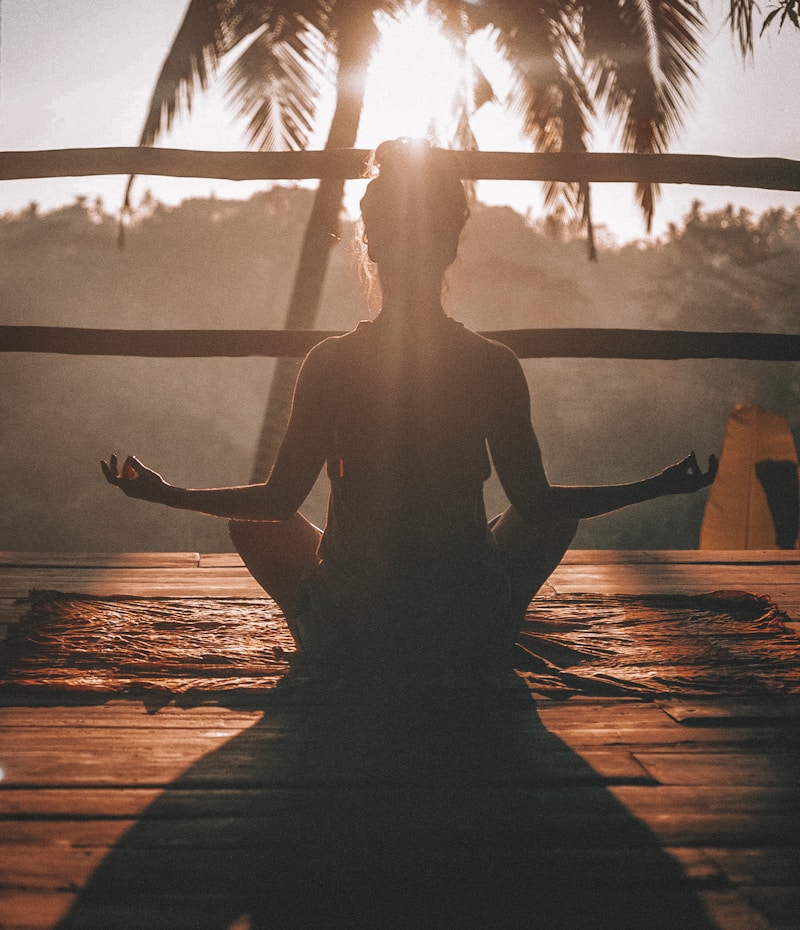
Mindfulness—paying attention to the present moment without judgment—serves as a foundational practice for cultivating peace. Start with just five minutes daily, gradually increasing as the practice becomes established. Find a quiet space, sit comfortably, and focus on your breath. When thoughts arise (and they will), simply notice them without criticism and gently return attention to breathing.
The power of mindfulness lies not in achieving a blank mind but in changing your relationship with thoughts and emotions. Rather than being swept away by mental content, you become the aware space in which everything arises and passes. This shift creates profound peace even amid life’s challenges. 🧘
Creating Boundaries with Technology
Intentional technology use dramatically impacts peace levels. Implement “digital sunsets”—turning off screens at least one hour before bed. Designate phone-free zones in your home, particularly bedrooms and dining areas. Use app timers to limit social media consumption, and consider a full digital detox for one day weekly.
Replace mindless scrolling with activities that genuinely nourish you—reading physical books, engaging in hobbies, spending time in nature, or having face-to-face conversations. Notice how different activities affect your inner state, and consciously choose those that enhance rather than diminish peace.
Cultivating Gratitude and Appreciation
Research consistently shows that gratitude practices increase wellbeing, resilience, and life satisfaction. Each evening, write down three specific things you appreciated that day. Be detailed—rather than “I’m grateful for my family,” try “I’m grateful for the way my daughter laughed at breakfast this morning.”
Gratitude shifts attention from what’s lacking to what’s present, from problems to blessings. This reorientation doesn’t deny difficulties but provides balance, preventing negativity bias from dominating your perspective. Over time, gratitude becomes a lens through which you automatically view life, making peace more accessible even during challenging periods.
Engaging in Physical Movement
The body and mind are inseparable, and physical practices profoundly influence mental-emotional states. Yoga combines movement, breath, and awareness in ways specifically designed to cultivate peace. Even without formal yoga training, gentle stretching with conscious breathing activates relaxation responses.
Walking meditation offers another accessible practice. Walk slowly and deliberately, synchronizing steps with breath, feeling each foot contact the ground. This simple practice interrupts mental autopilot and anchors awareness in physical sensation, where peace naturally resides. Nature walks provide additional benefits, as exposure to natural environments reduces stress hormones and enhances mood. 🌿
Peace in Relationships and Communication
Our relationships significantly impact personal peace, yet they’re also areas where peace often feels most elusive. Transforming how we relate to others creates ripples of peace that extend far beyond individual interactions.
Peaceful communication begins with deep listening—truly hearing others without formulating responses while they speak. Most conflicts arise from feeling unheard and misunderstood. When you offer genuine presence and attention, defensive reactions soften and connection becomes possible.
Practice “nonviolent communication” principles: observe without evaluation, identify feelings, recognize underlying needs, and make clear requests. This framework reduces blame and criticism while fostering mutual understanding. For example, instead of “You never help around the house,” try “When I see dishes in the sink, I feel overwhelmed because I need support with household tasks. Would you be willing to wash dishes after dinner?”
Setting healthy boundaries is essential for relational peace. Boundaries aren’t walls but rather clear communications about your limits, needs, and values. They protect your energy and integrity while respecting others’ autonomy. Learning to say “no” without guilt or over-explanation frees you from resentment and overwhelm that erode peace.
Forgiveness—of others and yourself—releases you from the exhausting burden of carrying past hurts. Forgiveness doesn’t mean condoning harmful behavior or reconciling with unsafe people. Rather, it’s an internal process of releasing the grip that grievances have on your heart and mind, freeing energy for present-moment living. 💝
Creating Peaceful Environments
Our physical surroundings influence our inner states more than we typically realize. Intentionally designing environments that support peace amplifies your other efforts and creates external reminders of your commitment to tranquility.
Simplify and declutter your living spaces. Visual chaos creates mental chaos, while clean, organized environments promote calm. This doesn’t require minimalist austerity—rather, ensure everything has a place and purpose. Regularly release items that no longer serve you, creating space for what truly matters.
Incorporate natural elements wherever possible. Plants purify air while adding life and beauty. Natural light regulates circadian rhythms and elevates mood. If possible, create a view of nature from windows or display nature photography that transports you mentally to peaceful landscapes.
Establish a dedicated peace sanctuary—even if just a corner with a comfortable chair, some cushions, and items that hold meaning for you. This space becomes associated with peace through repeated use for meditation, reading, or quiet reflection. Simply entering this space can trigger relaxation responses through classical conditioning.
Consider sensory elements: soft lighting, calming colors (blues, greens, earth tones), gentle textures, and perhaps subtle scents like lavender or sandalwood. Create a playlist of peaceful music or nature sounds to use during relaxation practices. These sensory cues signal to your nervous system that it’s safe to relax. 🏡
Peace as a Social Responsibility
While personal peace is valuable, the message about peace extends beyond individual wellbeing to encompass our collective responsibility for creating a more peaceful world. Inner peace without outward expression remains incomplete, while social activism without inner peace often leads to burnout and perpetuates the very conflicts it seeks to resolve.
Peace work begins with examining and dismantling prejudices, biases, and patterns of othering within ourselves. We cannot create peace externally while harboring violence internally. This requires honest self-reflection and willingness to confront uncomfortable truths about how we’ve been socialized and where we’ve unconsciously participated in systems of harm.
Extend circles of compassion progressively outward—from self to family to community to strangers to those you disagree with or dislike. This doesn’t mean accepting harmful behavior but rather recognizing shared humanity even in those whose actions you oppose. Dehumanization always precedes violence; humanization is therefore a foundational peace practice.
Engage in constructive action aligned with your values and capacities. This might include volunteering, advocacy, education, sustainable living, or supporting organizations working for justice and peace. Action grounds intention in reality and prevents spiritual bypassing—using peace concepts to avoid necessary confrontation with injustice.
Model peace in everyday interactions. How you treat service workers, respond to traffic frustrations, handle disagreements, and speak about those different from you—these mundane moments collectively create culture. Every peaceful interaction contributes to the larger tapestry of societal peace.
Sustaining Peace Through Life’s Challenges
The ultimate test of peace isn’t how centered you feel during retreat or vacation but how you respond when life inevitably brings difficulties. Sustainable peace doesn’t eliminate challenges but transforms your relationship with them. 🌊
Develop a “peaceful response repertoire”—specific tools you can access when stress arises. This might include breathwork techniques, grounding exercises, mantras, physical movement, or reaching out to supportive people. Practice these tools during calm moments so they’re accessible during storms.
Reframe challenges as opportunities for growth rather than threats to endure. This perspective shift—from “Why is this happening to me?” to “What might this teach me?”—opens space for curiosity and learning even in difficulty. Viktor Frankl’s insight remains profound: we cannot always control circumstances, but we can always choose our attitude toward them.
Maintain consistent practices even when motivation wanes. Peace cultivation resembles physical fitness—regular practice builds capacity that sustains you during demanding periods. When life gets busy or difficult, resist the temptation to abandon practices. These are precisely the moments when you need them most, even if in abbreviated form.
Build supportive community with others committed to peace. Shared practice, whether meditation groups, peace circles, or spiritual communities, provides accountability, encouragement, and collective wisdom. We’re social beings, and peaceful transformation happens more effectively in supportive relational contexts than in isolation.
The Ripple Effect of Personal Peace
As you receive and embody the message of peace, you become a living transmission of that peace to everyone you encounter. This isn’t about perfection or never experiencing stress, anger, or difficulty. Rather, it’s about developing a stable center of peace that remains accessible even when emotions arise.
Your peaceful presence affects others in ways you may never fully recognize. Calmness is contagious, just as anxiety is. When you remain centered during conflict, you help regulate others’ nervous systems and create space for resolution. When you respond to hostility with composure, you interrupt cycles of reactivity.
Children especially absorb and mirror the emotional states of adults around them. Cultivating your own peace provides one of the greatest gifts to future generations—modeling that peace is possible and teaching practices that support it. This transgenerational transmission creates lasting change extending far beyond your individual life. 👨👩👧👦
Consider the mathematics of peace: if you cultivate genuine peace and influence even a few others toward peace, who then influence others in turn, the exponential growth becomes remarkable. You cannot personally create world peace, but you can be an essential node in the network of peace that collectively transforms our world.

Beginning Your Peace Journey Today
Receiving the message about peace requires no special credentials, beliefs, or circumstances. It begins with a simple decision to prioritize peace and a willingness to practice consistently. Start exactly where you are, with whatever resources you currently possess.
Choose one practice from this article that resonates with you and commit to it for 30 days. Just one. Master the basics before expanding. Notice what shifts—in your mood, relationships, perspective, and life circumstances. Let positive results motivate continued practice rather than relying solely on willpower.
Be patient and compassionate with yourself. Cultivating peace is a lifelong journey, not a destination to reach. There will be setbacks, distractions, and periods of difficulty. These aren’t failures but part of the process. Each time you notice you’ve drifted and consciously return to peace practices, you strengthen your capacity.
Remember that seeking peace isn’t selfish or escapist—it’s essential for your wellbeing and your capacity to contribute meaningfully to the world. You cannot pour from an empty cup. Prioritizing your peace enables you to show up more fully for others and engage more effectively with life’s demands and opportunities.
The message about peace is ultimately simple yet profound: peace is your natural state, obscured but not destroyed by life’s challenges. Through consistent practice, conscious choice, and compassionate awareness, you can remove the obstacles and receive the peace that has always been waiting for you. May you walk this path with dedication, discovering that peace you seek is simultaneously the peace you are. 🕊️✨
